
What Is Zone 2 Cardio? A Complete Guide

MyFitnessCoach
January 29, 2025
In the world of fitness, there’s always buzz around new trends, techniques, and strategies to optimize performance. One term that has gained significant traction in recent years is "Zone 2 cardio." But what exactly does it mean, and why should you care about it? Let’s dive into the science, benefits, and practical application of Zone 2 cardio, and discover how it can transform your fitness journey with tools like the MyFitnessCoach app.

Understanding Heart Rate Zones
Before we delve into Zone 2 specifically, it’s essential to understand the concept of heart rate zones. These zones are categories based on a percentage of your maximum heart rate (MHR), helping you gauge the intensity of your workout:
- Zone 1: Very light activity (50-60% of MHR) – Ideal for recovery and warm-ups.
- Zone 2: Light activity (60-70% of MHR) – The focus of this article is ideal for endurance-building and fat-burning.
- Zone 3: Moderate activity (70-80% of MHR) – Improves cardiovascular fitness and overall stamina.
- Zone 4: High-intensity activity (80-90% of MHR) – Builds speed and anaerobic capacity.
- Zone 5: Maximum effort (90-100% of MHR) – Reserved for short bursts of peak performance.
Each zone serves a specific purpose in your fitness journey. While higher zones might seem more intense and rewarding, Zone 2 offers unique benefits that are often overlooked.
What Is Zone 2 Cardio?
Zone 2 cardio refers to maintaining your heart rate in the range of 60-70% of your maximum heart rate during aerobic exercise. This intensity feels comfortable enough to hold a conversation but challenging enough to break a sweat.
You’re not sprinting or pushing to your limit—you’re staying steady in that sweet spot where your body efficiently uses fat as a primary energy source. This makes Zone 2 cardio an excellent tool for endurance athletes, recreational exercisers, and anyone looking to improve their overall health.
Benefits of Zone 2 Cardio
- Improves Aerobic Capacity: Zone 2 cardio enhances the efficiency of your mitochondria—the energy powerhouses of your cells. This allows your body to produce energy more effectively during exercise and daily activities.
- Enhances Fat-Burning: In Zone 2, your body primarily relies on fat for fuel, making it a powerful tool for weight management and improving metabolic health.
- Boosts Endurance: By consistently training in Zone 2, you build a strong aerobic base, which improves your stamina for both long workouts and everyday tasks.
- Lowers Stress Levels: Because Zone 2 cardio is moderate in intensity, it reduces cortisol levels and can promote relaxation, mental clarity, and stress reduction.
- Supports Longevity: Studies suggest that improving your aerobic capacity can have long-term benefits for heart health, cognitive function, and overall lifespan.
- Increases Recovery Efficiency: Zone 2 training is gentle on the body, allowing you to recover faster from more intense workouts while still staying active and building endurance.
- Improves Insulin Sensitivity: Regular Zone 2 cardio can help stabilize blood sugar levels and improve insulin sensitivity, which is crucial for managing and preventing metabolic disorders like diabetes.
How to Calculate Your Zone 2 Heart Rate
To calculate your Zone 2 heart rate, you’ll need to determine your maximum heart rate (MHR). A simple formula to estimate your MHR is:
220 – Your Age = MHR
Once you have your MHR, calculate 60-70% of that number to find your Zone 2 range. For example, if you’re 30 years old:
- MHR = 220 – 30 = 190 bpm
- Zone 2 range = 60-70% of 190 = 114-133 bpm
For a more accurate measurement, consider using heart rate monitors or fitness apps like MyFitnessCoach, which can track your heart rate in real-time and ensure you stay within your desired range.
Zone 2 Cardio Workouts You Can Try
One of the best things about Zone 2 cardio is its versatility. Here are some exercises you can incorporate into your routine:
- Walking or Hiking: A brisk walk or a scenic hike can easily get your heart rate into Zone 2. This is especially beneficial for beginners or those recovering from injuries.
- Cycling: Whether outdoors or on a stationary bike, cycling at a steady pace is a fantastic Zone 2 workout. You can adjust the resistance to maintain your heart rate in the desired range.
- Running or Jogging: Maintain a steady, conversational pace to stay in the Zone 2 heart rate range. This is an effective way to build endurance without overexerting yourself.
- Swimming: Swimming laps at a moderate pace is an excellent low-impact Zone 2 activity. It’s also great for full-body conditioning.
- Rowing: Rowing machines are perfect for full-body, low-impact cardio that keeps you in Zone 2. Adjust the resistance and pace as needed to stay within the target range.
- Elliptical Training: Elliptical machines provide a joint-friendly alternative to running while keeping your heart rate in the Zone 2 range. Adjust the incline and resistance for a tailored workout.
How to Incorporate Zone 2 Cardio into Your Routine
To maximize the benefits of Zone 2 cardio, consistency is key. Here’s how you can integrate it into your weekly routine:
- Start Small: Begin with 2-3 sessions per week, each lasting 30-45 minutes. Gradually increase frequency as your fitness level improves.
- Gradually Increase Duration: As your fitness improves, aim for longer sessions of up to 60 minutes or more.
- Combine with Strength Training: Alternate Zone 2 cardio with strength training sessions for a balanced fitness program.
- Use Active Recovery Days: Replace rest days with Zone 2 cardio to promote recovery without taxing your body.
- Track Progress: Use the MyFitnessCoach app to monitor your heart rate, track your workouts, and ensure you’re staying in the right zone.
Why Zone 2 Cardio is Perfect for All Fitness Levels
One of the biggest advantages of Zone 2 cardio is its accessibility. It’s suitable for beginners who are just starting their fitness journey, as well as seasoned athletes looking to fine-tune their endurance. Because it’s low-impact and sustainable, it can be incorporated into any lifestyle.
Common Myths About Zone 2 Cardio
- Myth: "It’s too easy to be effective."Reality: While it may feel easy compared to high-intensity training, Zone 2 cardio builds a solid aerobic foundation that’s critical for long-term fitness and endurance.
- Myth: "You need to do hours of Zone 2 cardio for it to work."Reality: Even 30-60 minutes per session, a few times a week, can deliver significant benefits over time.
- Myth: "Zone 2 cardio is only for beginners."Reality: Elite athletes regularly use Zone 2 training to improve endurance, recovery, and fat utilization.
Take Your Zone 2 Training to the Next Level with MyFitnessCoach
At MyFitnessCoach, we believe in empowering you with the tools and knowledge to achieve your fitness goals. Our all-in-one app simplifies Zone 2 training with features like:
- Real-Time Heart Rate Tracking: Stay in the perfect zone with guided insights.
- Customizable Workouts: Choose from a variety of Zone 2 cardio workouts tailored to your fitness level.
- Progress Analytics: Monitor your endurance, fat-burning efficiency, and overall progress over time.
- Community Support: Connect with like-minded individuals who share your fitness journey.
- Personalized Plans: Our app adapts to your unique needs, ensuring every workout contributes to your goals.
Ready to Transform Your Fitness?
Zone 2 cardio is a game-changer for building endurance, burning fat, and improving overall health. Start your Zone 2 journey today with the MyFitnessCoach app, your ultimate fitness companion.
Download the app now and unlock your full potential!
Similar Articles
Stay informed with these similar articles.
MyFitnessCoach
October 11, 2023
What is Cortisol: The Stress Hormone
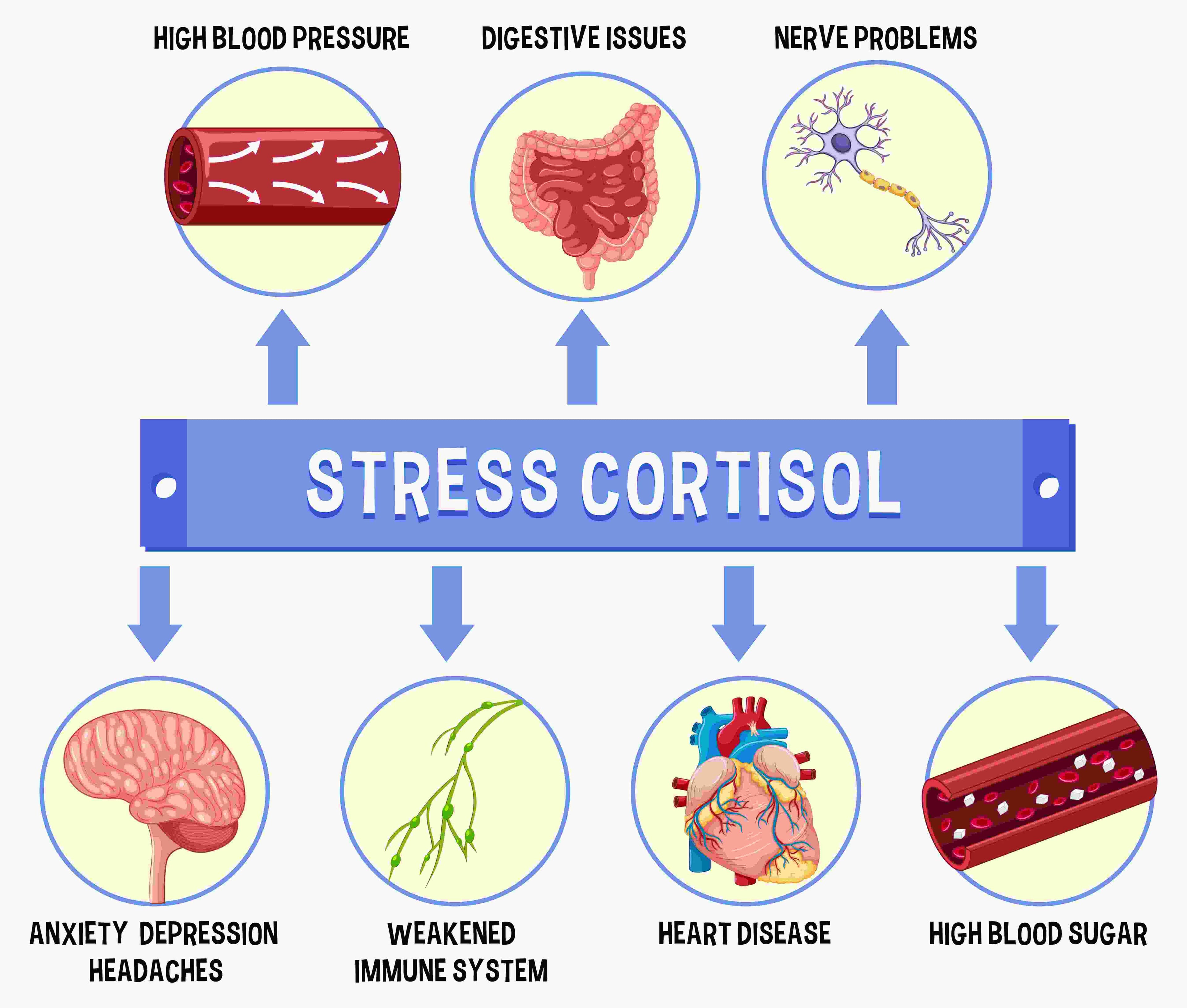
Cortisol, sometimes called the "stress hormone," serves an important function within our bodies, impacting several facets of our health and overall wellness. Although it might seem like a complex concept, understanding the basics of cortisol is fundamental for individuals looking to sustain a healthy way of life and effectively deal with stress. Within the following sections, we will delve into the essence of cortisol, explain its significance, explore its effect on our well-being, and provide insights into how we can maintain its balance.

MyFitnessCoach
June 15, 2023
Get Your Heart Pumping with Low Impact Cardio Exercises
Cardio, which stands for cardiovascular exercise, is one of the most important parts of any workout program. It is an important part of living a good life. But people with certain health problems, like joint problems or accidents, might not be able to do cardio exercises. They are told not to do the exercise with a lot of force. Low-impact cardio exercises were made for people with these conditions because they know how important cardio is. Low-impact cardio workouts are a great option. They have many benefits and put less stress on the joints, making them less likely to get hurt.

MyFitnessCoach
January 29, 2025
Front Lunge vs. Back Lunge: Which One Should You Choose?
When it comes to building strong legs and improving lower body mobility, lunges are an unbeatable exercise. However, if you’ve ever wondered whether to do front lunges or back lunges, you’re not alone. Both are highly effective, but they target your muscles differently and serve distinct purposes in your fitness journey.