
Sets vs. Reps: The Difference and Importance in Workouts
MyFitnessCoach
November 17, 2023
Starting a fitness journey can bring excitement and confusion, mainly when discussing the various terms and ideas connected to strength training. The terms 'sets' and 'reps' might seem confusing for those just beginning. In the following discussion, we aim to explain these essential elements of strength training required for physical fitness. The goal is to understand better how sets and reps play a role in achieving your overall fitness goals.

Understanding the Basics:
Before we explore sets and reps, it's essential to understand the basics of strength training. Strength training is about doing things that make your muscles work hard against resistance, like lifting weights or using stretchy bands. The main goal is to get stronger, strengthen your muscles, and enhance your overall fitness.
What is a Rep?
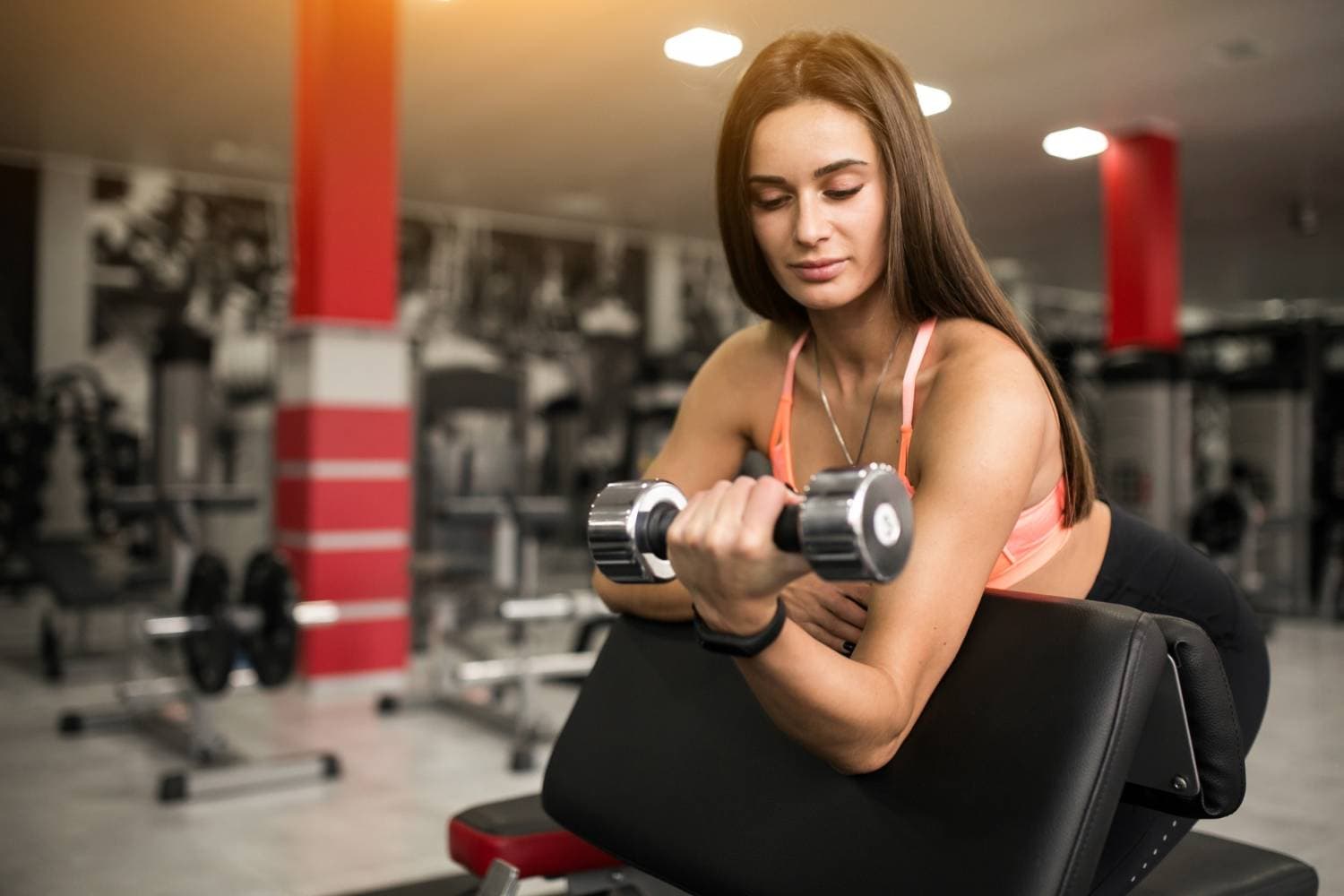
Let's start with the term 'rep,' which is short for repetition. A repetition is one complete movement of an exercise from start to finish. For instance, if you were doing bicep curls with a dumbbell, lifting the weight towards your shoulder and then lowering it back down would count as one repetition.
Reps serve as the building blocks of your strength training routine. The number of reps you perform in a set can vary based on your fitness goals. For instance, if you aim for muscle endurance, you might achieve more reps (around 12-15). On the other hand, if your goal is to build strength and muscle mass, you might opt for a lower rep range (around 6-8).
What is a Set?
Now, let's move on to the concept of a 'set.' A set is a group of consecutive reps. You have completed one set when you perform a certain number of repetitions of an exercise without stopping. For example, if you do 10 bicep curls in a row and then take a break, you have completed one set of 10 reps.
Sets play a crucial role in determining your workout's overall intensity and structure. The number of sets you include in your routine can impact how much your muscles are challenged and how they adapt and grow over time.
The Relationship Between Sets and Reps:
To better understand the interplay between sets and reps, let's explore a few common scenarios:
High Reps, Low Sets
- This approach is often associated with improving muscle endurance.
- Example: Performing 3 sets of 15 reps for bodyweight squats.
Moderate Reps, Moderate Sets
- Balancing reps and sets is a common strategy for overall strength and hypertrophy (muscle growth).
- Example: Completing 4 sets of 10 reps for bench press with weights.
Low Reps, High Sets
- Focused on building maximum strength and power.
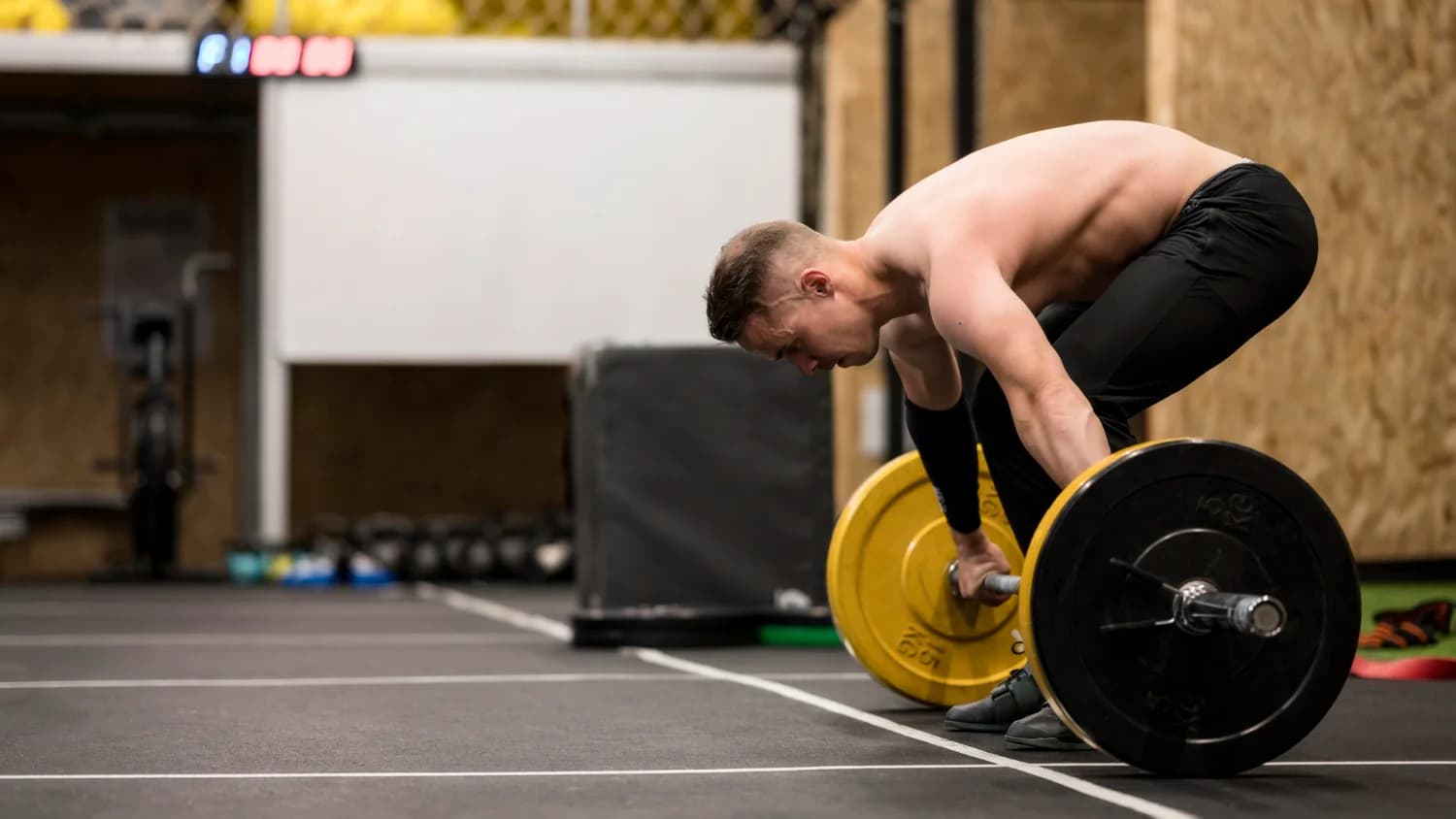
- Example: Engaging in 5 sets of 5 reps for deadlifts.
Adapting Sets and Reps for Your Goals:
Now that you know the fundamental concepts of sets and reps, it is important to customize your exercise plan to match your fitness objectives. It's important to adjust your workout routine to suit your specific goals for your fitness journey.
Strength Building
- Opt for a lower rep range (around 4-6 reps) with more sets (4-6 sets).
- Focus on compound exercises like squats, deadlifts, and bench presses.
Muscle Hypertrophy
- Aim for a moderate rep range (around 8-12 reps) and moderate sets (3-4 sets).
- Incorporate a mix of compound and isolation exercises to target different muscle groups.
Muscular Endurance
- Choose a higher rep range (around 12-15 reps) with a moderate number of sets (2-3 sets).
- Include exercises that engage multiple muscle groups for an extended duration.
Practical Tips for Beginners:
As you embark on your strength training journey, here are some practical tips to keep in mind:
Start Light
- Begin with a weight that allows you to maintain proper form throughout the entire set.
Progress Gradually
- As your strength improves, gradually increase the weight to continue challenging your muscles.
Rest Between Sets
- Allow adequate rest between sets to promote recovery. The duration of rest can vary based on your goals but typically falls between 30 seconds to 2 minutes.
Listen to Your Body
- Pay attention to how your body responds to different rep and set ranges. Adjust your routine based on your comfort level and progress.
In short, sets and reps are super important in any strength training plan and affect how your fitness efforts turn out. If you get how sets and reps work together and adjust your workouts to fit your goals, you're on your way to smarter and more effective fitness. Whether you want to get stronger, build more muscles, or boost your endurance, figuring out the right mix of sets and reps is like laying the groundwork to unlock and achieve your full fitness potential.
Ready to kickstart your fitness journey and make the most out of your workouts? Download the MyFitnessCoach app now! Our user-friendly platform is designed to help you understand the basics of strength training, including sets and reps, in simple terms. Whether aiming to build strength, tone muscles, or improve endurance, MyFitnessCoach provides personalized guidance tailored to your fitness goals.
Frequently Asked Questions
Similar Articles
Stay informed with these similar articles.

MyFitnessCoach
May 11, 2023
Achieve Your Fitness Goals With These Best Fitness Apps
Today's smartphones have become powerful tools in helping us navigate various aspects of life, including fitness journeys. No matter if you are an avid fitness enthusiast, just starting to exercise at home, or prefer personal training - there are numerous workout apps designed to meet all these needs, offering personalized workout plans, tracking tools, expert guidance and motivation - these apps offer something for everyone to help reach fitness goals more easily than ever! In this article we'll look at some of the top workout apps available that may assist in reaching those fitness goals more efficiently!
MyFitnessCoach
July 5, 2023
Hypertrophy Training: Maximize Your Muscle Strength
Hypertrophy training, commonly known as muscle building or bodybuilding, is a specialized training method designed to stimulate muscle growth and increase muscle size. When your aim is to strengthen your muscles then hypertrophy training is the best option for you. Whether you are an athlete aiming to improve performance, a fitness enthusiast looking to build your muscles, or someone looking for better health, understanding hypertrophy training is essential to reaching your goals.

MyFitnessCoach
June 27, 2023
Squats For Beginners: Build Lower Body Strength
Squats are the best exercise for developing lower body strength. Squats are one of the most effective lower-body workouts. They work a variety of muscles, including the quadriceps, hamstrings, glutes, and core. Squats, whether you are a fitness enthusiast or a newbie, may provide several benefits to your training program. However, good form and technique are essential for maximizing benefits and avoiding injuries.This article aims to give a comprehensive instruction for beginners on how to execute squats, concentrating on proper technique, variations, frequent errors, and safety precautions. Let us not waste any more time and thoroughly examine squats: