
Reverse Lunge Muscles Worked: Your Ultimate Guide

MyFitnessCoach
January 16, 2025
Reverse lunges are a powerhouse move that can transform your lower body strength. This simple yet effective exercise targets multiple muscles, making it a favorite for fitness enthusiasts of all levels. But which muscles do reverse lunges work? Let’s dive in!
Reverse lunges are a dynamic exercise where you step one leg backward while lowering your hips into a lunge position. This movement works multiple muscle groups, improves balance, and reduces the strain often associated with forward lunges.

Table of Contents
Subscribe to our newslettter
Why Are Reverse Lunges So Popular?
Reverse lunges are highly versatile and can be tailored to fit various fitness levels. Whether you’re a beginner or an experienced athlete, reverse lunges can be modified to suit your needs. They’re also great for improving symmetry in the lower body, as each leg works independently.
Types of Reverse Lunges
There are different variations of reverse lunges to keep your workouts fresh and challenging:
- Bodyweight Reverse Lunges: Perfect for beginners focusing on form.
- Dumbbell Reverse Lunges: Add resistance to build strength.
- Barbell Reverse Lunges: Advanced option for maximal load.
- Step-Back Lunges: A variation emphasizing balance.
Benefits of Reverse Lunges
Reverse lunges offer a host of benefits:
- Strengthens muscles: They target major lower-body muscles.
- Improves balance and coordination: Engage stabilizing muscles for better control.
- Enhances flexibility: Stretch the hip flexors while strengthening.
- Low impact: Gentle on the knees compared to forward lunges.
Functional Fitness Advantages
Reverse lunges mimic everyday movements, such as stepping backward or lowering your body. This makes them an excellent addition to functional fitness routines, helping you build strength and stability for real-life activities.
How Reverse Lunges Compare to Other Exercises
While squats and deadlifts are excellent for building lower-body strength, reverse lunges add a unilateral component that helps address muscle imbalances. They’re also more knee-friendly compared to forward lunges, making them a go-to exercise for individuals recovering from injuries.
Primary Muscles Worked
Reverse lunges primarily work these muscles:
- Quadriceps: These muscles in the front of your thighs do most of the lifting as you push back up.
- Glutes: Your buttocks engage to extend the hip and stabilize your movement.
- Hamstrings: These muscles at the back of your thighs assist in controlling the descent and pushing back up.
Secondary Muscles Worked
Secondary muscles also play a role:
- Calves: Support balance and provide stability.
- Core: Your abs and lower back stay engaged to maintain posture.
Stabilizing Muscles
Stabilizers include smaller muscles such as:
- Hip flexors: Help stabilize the hip joint.
- Adductors: Keep your legs aligned during the movement.
How to Do Reverse Lunges Correctly
Follow these steps to perform reverse lunges with proper form:
- Start position: Stand tall with feet shoulder-width apart. Engage your core.
- Step back: Step one leg backward and lower your hips until your front thigh is parallel to the ground.
- Maintain balance: Keep your chest upright and shoulders relaxed.
- Push back: Use your front leg to push back into the starting position.
Common Mistakes to Avoid
- Leaning forward: Keep your torso upright to avoid unnecessary strain on your back.
- Knee alignment: Ensure your front knee stays aligned with your toes.
- Rushing the movement: Perform each rep slowly for better control and muscle activation.
Pro Tip: Struggling to balance? Start by holding onto a stable surface. Gradually improve your stability with practice.
Reverse Lunges vs. Forward Lunges
Reverse lunges are gentler on your knees and ideal for beginners. Forward lunges, on the other hand, require more balance and are slightly more challenging. Both exercises are great, but reverse lunges are a safer option if you’re new to lunges or have knee issues.
When to Choose Reverse Lunges
If you’re dealing with joint pain or looking to focus more on balance and stability, reverse lunges are an excellent choice. They’re also perfect for athletes who want to improve unilateral strength without compromising their knees.
Incorporating Reverse Lunges into Your Workout
Add reverse lunges to your routine with these tips:
- Warm-up first: Prepare your muscles with dynamic stretches.
- Start with body weight: Perfect your form before adding weights.
- Progress gradually: Increase intensity by holding dumbbells or adding pulses at the bottom of each lunge.
- Combine with other moves: Pair reverse lunges with squats or deadlifts for a comprehensive lower-body workout.
Reverse Lunge Workouts
Here’s a simple workout plan:
- 3 sets of 12 reps per leg (Bodyweight Reverse Lunges)
- 2 sets of 10 reps per leg (Dumbbell Reverse Lunges)
- 3 sets of 8 reps per leg (Barbell Reverse Lunges)
Want to track your progress? MyFitnessCoach’s Workout Logger makes it easy!
Why Choose MyFitnessCoach for Your Workouts?
MyFitnessCoach is the all-in-one app for fitness enthusiasts. With features like:
- Customized workout plans
- Prehab/Rehab routines
- Food and workout logs
- Wearable fitness tracking
It’s designed to meet all your fitness needs. Build your own workout plan or follow expert-designed routines—the choice is yours!
Reverse lunges are a versatile and effective exercise that targets key lower-body muscles while improving balance and coordination. By incorporating them into your routine and using tools like MyFitnessCoach, you’ll be on your way to achieving your fitness goals in no time.
Ready to take your workouts to the next level? Download MyFitnessCoach and explore the endless possibilities for your fitness journey.
Additional Tips for Maximizing Results
- Use mirrors: Check your form to avoid mistakes.
- Vary your routine: Incorporate different lunge variations to challenge your muscles.
- Focus on breathing: Inhale as you lower and exhale as you push back.
- Stay consistent: Regular practice is key to seeing progress.
With MyFitnessCoach, staying consistent is easier than ever. Start your fitness journey today and see the difference!
Similar Articles
Stay informed with these similar articles.
MyFitnessCoach
September 12, 2023
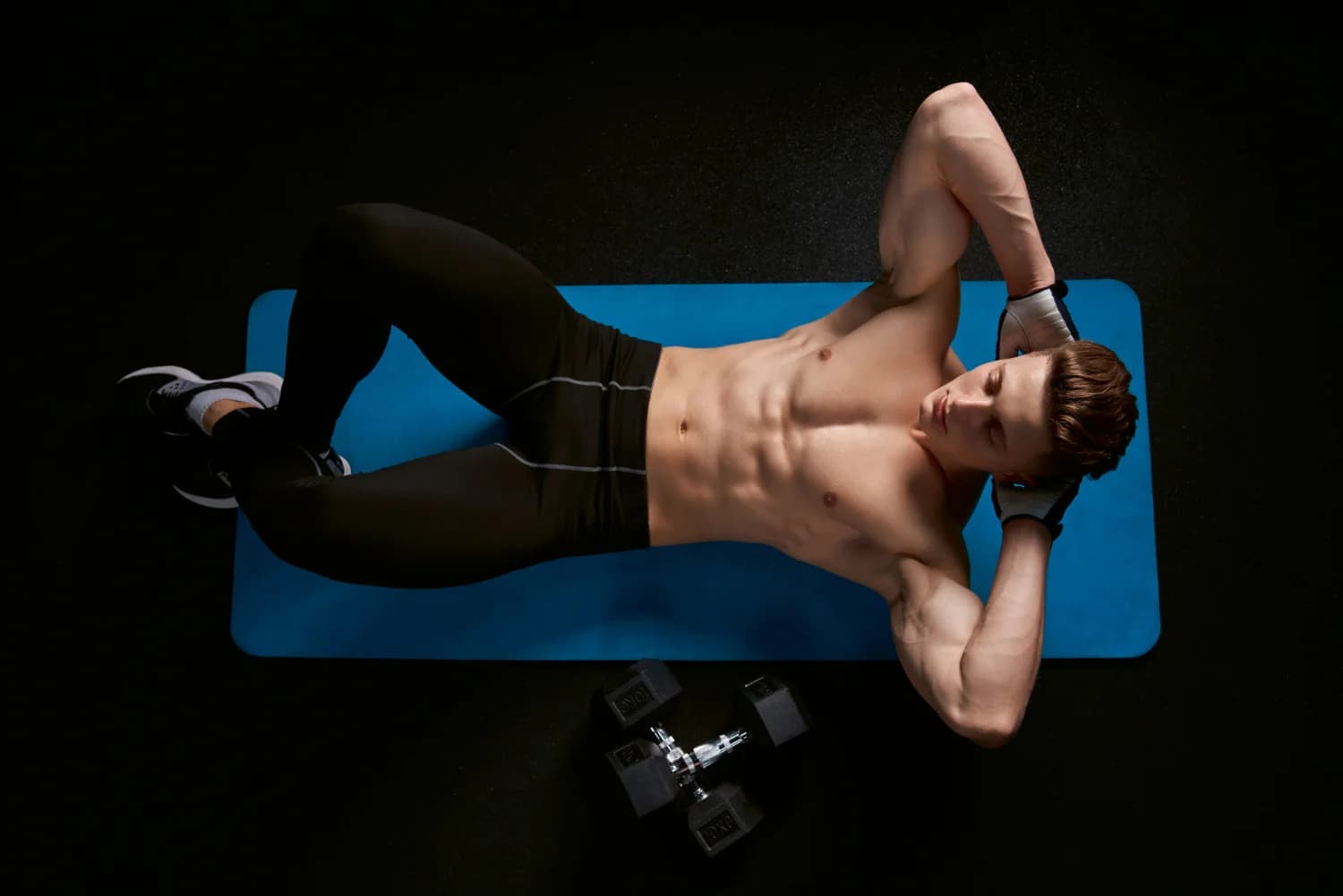
How to Get Abs: A Comprehensive Guide to Sculpting Your Core
Having well-defined abs is a fitness goal many aspire to achieve. Not only do strong abdominal muscles contribute to a toned physique, but they also play a crucial role in supporting your spine and improving overall posture. If you're wondering how to get abs, this comprehensive guide will provide you with actionable steps and expert tips to help you on your journey to a sculpted core.
MyFitnessCoach
January 16, 2025
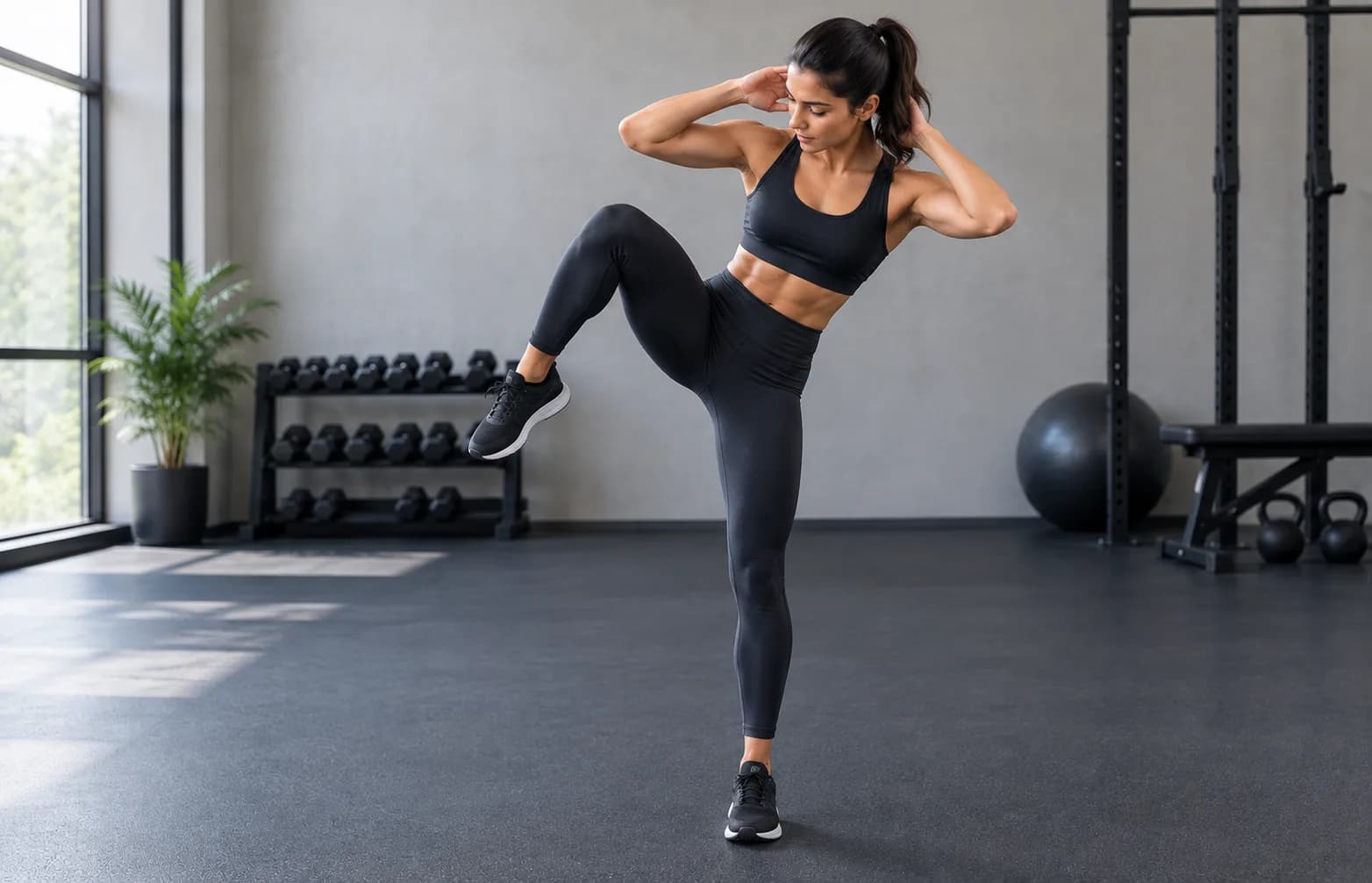
Standing Oblique Crunch: 3 Versions, Muscles Worked and Proper Form
A standing oblique crunch works the muscles along the sides of your waist without getting on the floor. The catch is that three different exercises go by that name, and they don't all work the side you'd expect. Pick the right one and it's a solid, low-equipment way to train your obliques. Expect it to slim your waist on its own and you'll be disappointed.
MyFitnessCoach
January 16, 2025
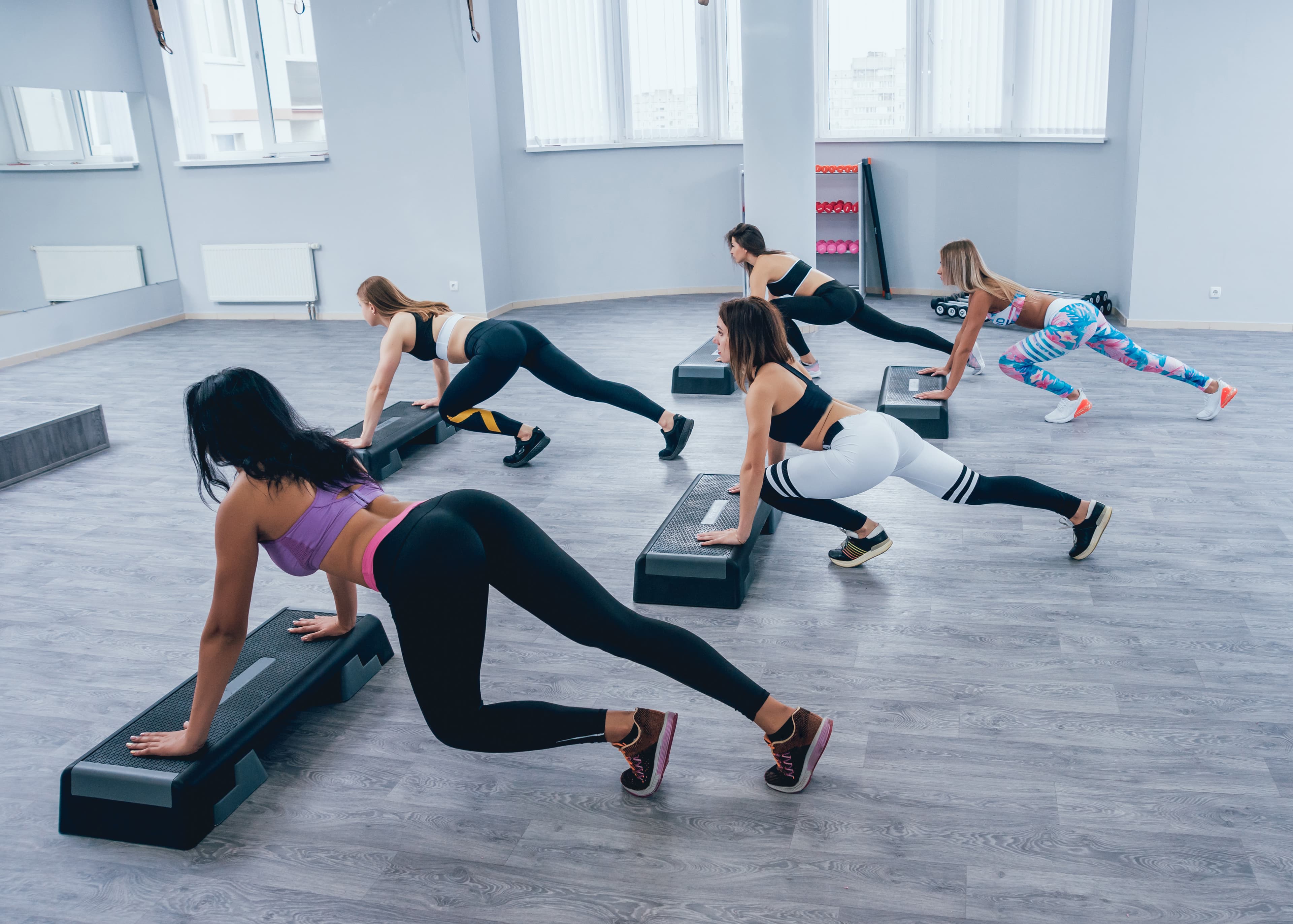
Tabata: The Ultimate Fitness Guide for Maximum Results
High-intensity interval training (HIIT) has taken the fitness world by storm, and at the forefront of this movement is Tabata a workout method that promises maximum results in minimal time. With its science-backed benefits, adaptability, and efficiency, Tabata has earned its reputation as the ultimate fitness method for people of all levels.