
How Do I Deal with Muscle Soreness After Workouts?

MyFitnessCoach
December 6, 2024
Muscle soreness after workouts, often referred to as Delayed Onset Muscle Soreness (DOMS), is something almost every fitness enthusiast has experienced. Whether you're new to exercising or an experienced athlete, dealing with muscle soreness can be one of the most challenging aspects of working out. While it’s a sign that your muscles are adapting to the stress you’re placing on them, it can also leave you wondering: How do I deal with muscle soreness after workouts?
Fortunately, there are numerous effective strategies to alleviate soreness and help your body recover faster. In this article, we'll explore practical tips and methods to ease muscle soreness, allowing you to get back to your fitness routine with less discomfort. Plus, we'll explain how your workout routine can benefit from tools like MyFitnessCoach to help you recover and track your progress.
Table of Contents
Subscribe to our newslettter
What Is Muscle Soreness?
Before diving into ways to deal with muscle soreness, it's important to understand what causes it. When you engage in physical activity, especially new or intense workouts like HIIT, strength training, or any exercise that challenges your body, your muscles undergo tiny tears. These microtears, in turn, cause inflammation in the muscles, which is what leads to that sore feeling, often peaking 24 to 48 hours after exercise.
While muscle soreness is normal and expected after a tough workout, it’s important to differentiate between typical soreness and pain that might indicate an injury. If you experience sharp or acute pain, or if the soreness doesn’t subside after a few days, it’s best to consult a medical professional.
1. Stay Hydrated
Hydration plays a crucial role in muscle recovery. When you exercise, you lose fluids through sweat, and dehydration can exacerbate muscle soreness. Ensuring that you stay well-hydrated before, during, and after your workout will help your muscles recover more effectively.
Drinking water replenishes the fluids lost during exercise, helps reduce inflammation, and ensures that your muscles can function at their best. Additionally, electrolyte-rich drinks can replenish the minerals (such as potassium and magnesium) lost in sweat, which play an essential role in muscle function.
2. Warm-Up and Cool-Down Properly
Warming up before your workout and cooling down afterward is essential for reducing the risk of soreness. A proper warm-up increases blood flow to your muscles, loosens up stiff joints, and prepares your body for the physical demands of exercise. Similarly, cooling down helps reduce muscle stiffness and aids in recovery.
Incorporating dynamic stretches in your warm-up and static stretches in your cool-down routine can help improve flexibility and promote muscle relaxation. You can also use foam rolling as part of both your warm-up and cool-down to improve muscle mobility.
3. Use Foam Rolling to Relieve Soreness
Foam rolling is a self-myofascial release technique that helps release tension in tight muscles. Using a foam roller on sore muscles can improve blood circulation, reduce muscle tightness, and accelerate recovery.
Target sore areas by gently rolling over them with the foam roller, applying more pressure as tolerated. It can be uncomfortable at first, but over time, foam rolling can significantly reduce muscle soreness and prevent injuries.
4. Incorporate Active Recovery
Active recovery involves low-intensity exercises that help keep blood flowing to sore muscles without placing additional strain on them. Examples of active recovery include walking, swimming, cycling, or light yoga. These activities can help reduce muscle stiffness and promote healing by increasing circulation to the muscles.
Resting completely can sometimes make soreness worse, so it's important to keep moving, but at a low intensity. Active recovery can be incorporated into your routine to help you recover faster between intense workout sessions.
5. Prioritize Rest and Sleep
While staying active during recovery is important, rest and sleep are also crucial. When you're asleep, your body is in repair mode, working to rebuild and strengthen muscle fibers. Ensuring you get 7-9 hours of quality sleep each night can significantly improve your recovery times and reduce the duration of soreness.
Make sure to give your muscles adequate time to recover before targeting the same muscle groups again. Overtraining can lead to prolonged soreness, fatigue, and an increased risk of injury.
6. Try Epsom Salt Baths
Soaking in an Epsom salt bath is a time-tested method for relieving muscle soreness. Epsom salts contain magnesium, which is absorbed through your skin to help relax muscles and reduce inflammation. The warm water can also improve blood circulation and soothe aching muscles.
To enjoy the benefits of an Epsom salt bath, simply dissolve about two cups of Epsom salt in warm bathwater and soak for 15-20 minutes. This can be an effective way to ease soreness, especially after intense workouts.
7. Use Ice or Heat Therapy
Both ice and heat therapy can help reduce muscle soreness, but they are used for different purposes. Ice therapy, or cryotherapy, is most effective within the first 24 hours after a workout when inflammation is at its peak. Applying an ice pack to sore muscles can numb the area and reduce swelling.
Heat therapy, on the other hand, is more effective once the inflammation has gone down. A heating pad or warm compress can help increase blood flow to the muscles, relax tight muscles, and alleviate stiffness.
8. Nutrition for Muscle Recovery
What you eat can significantly impact your recovery time. Consuming a balanced post-workout meal rich in protein, carbohydrates, and healthy fats can promote muscle repair and help reduce soreness. Protein is essential for rebuilding muscle tissue, while carbohydrates replenish glycogen stores that are depleted during exercise.
Foods like lean meats, eggs, fish, legumes, and plant-based proteins are excellent sources of protein. Carbohydrates from whole grains, fruits, and vegetables can support recovery, while healthy fats from avocados, nuts, and olive oil can help reduce inflammation.
Additionally, anti-inflammatory foods such as turmeric, ginger, and omega-3-rich foods (like fatty fish) can help alleviate muscle soreness.
9. Supplements for Muscle Soreness
While not necessary for everyone, certain supplements can help reduce muscle soreness and promote recovery. Popular supplements include:
- BCAAs (Branched-Chain Amino Acids): BCAAs are essential amino acids that help reduce muscle breakdown during exercise, promoting faster recovery.
- Creatine: Creatine is known for its ability to improve muscle energy stores, reduce muscle damage, and enhance overall recovery.
- Magnesium: This mineral helps reduce muscle cramps and improve relaxation, making it beneficial for relieving soreness.
Before taking any supplements, it’s essential to consult with a healthcare provider to ensure they’re right for your specific needs.
10. Listen to Your Body
The most important tip for dealing with muscle soreness is to listen to your body. If you’re feeling excessively sore or fatigued, it’s okay to take a rest day. Pushing through pain can increase the risk of injury and delay recovery.
Pay attention to how your body feels during and after workouts, and adjust your routine accordingly. It’s essential to find a balance between challenging yourself and allowing adequate time for rest and recovery.
Muscle Recovery With MyFitnessCoach App
As you continue to work on your fitness goals, MyFitnessCoach can be an invaluable tool for tracking your progress and managing muscle recovery. The app offers personalized workout plans, including HIIT and strength training routines that help build muscle and improve overall fitness.
MyFitnessCoach can also provide detailed insights into your recovery process. You can track how your muscles are responding to different types of workouts, monitor soreness levels, and adjust your training intensity to ensure optimal recovery. By combining personalized exercise plans with tips on managing muscle soreness, the MyFitnessCoach app is the perfect companion for anyone looking to improve their fitness and recovery strategies.
Similar Articles
Stay informed with these similar articles.
MyFitnessCoach
November 20, 2023
Should You Work Out When Sore | Myths Explained
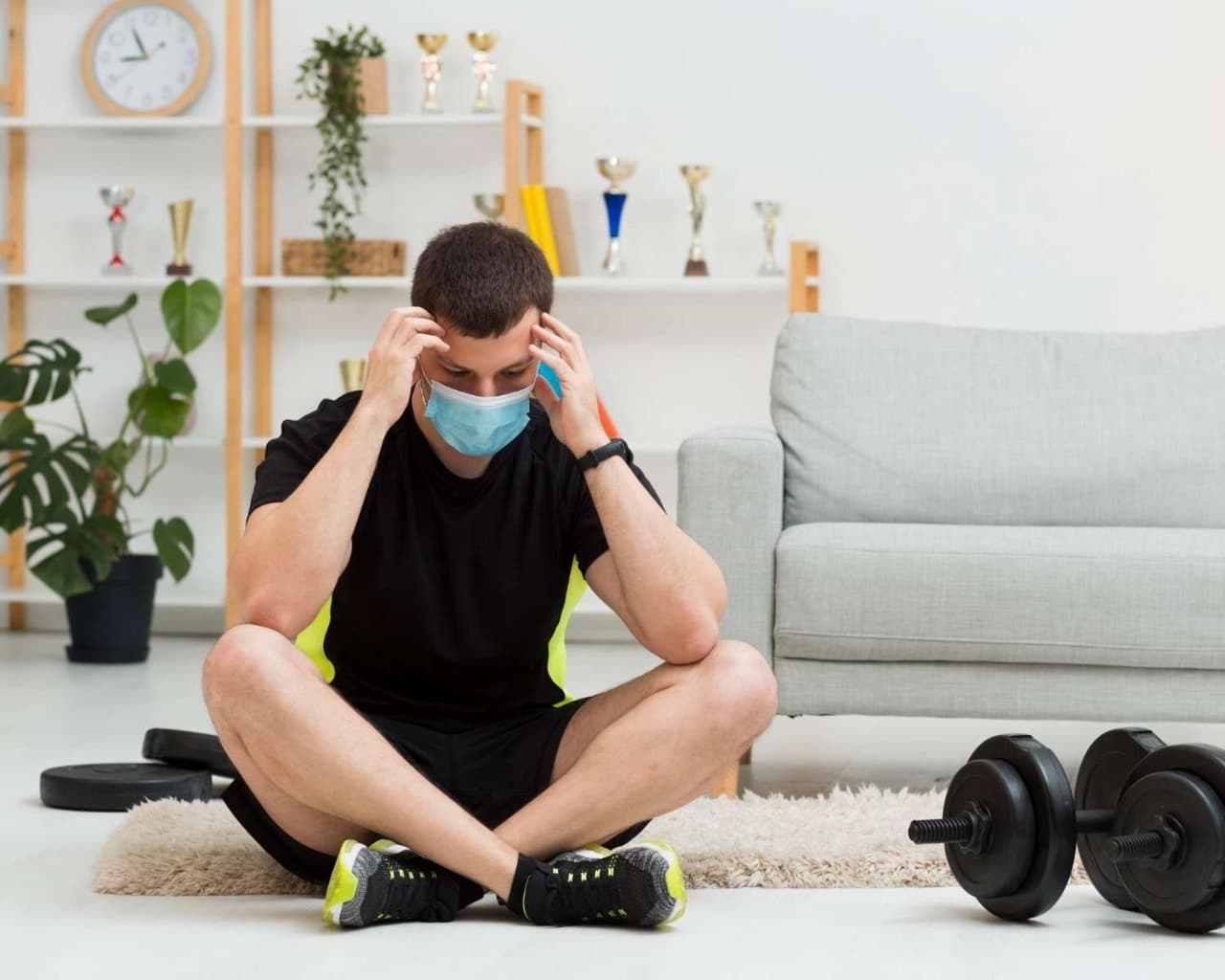
Engaging in physical activity is an important part of maintaining a healthy lifestyle and physical wellness. However, a significant number of people often face a problem when it comes to deciding whether to exercise when experiencing muscle soreness. The enduring question remains: should you work out when you are sore and endure the discomfort or go for some rest? This article aims to get into the details of dominant misconceptions associated with working out while experiencing soreness and aims to offer straightforward, practical guidance to help individuals make informed decisions personalized to their specific situations.
MyFitnessCoach
November 13, 2023
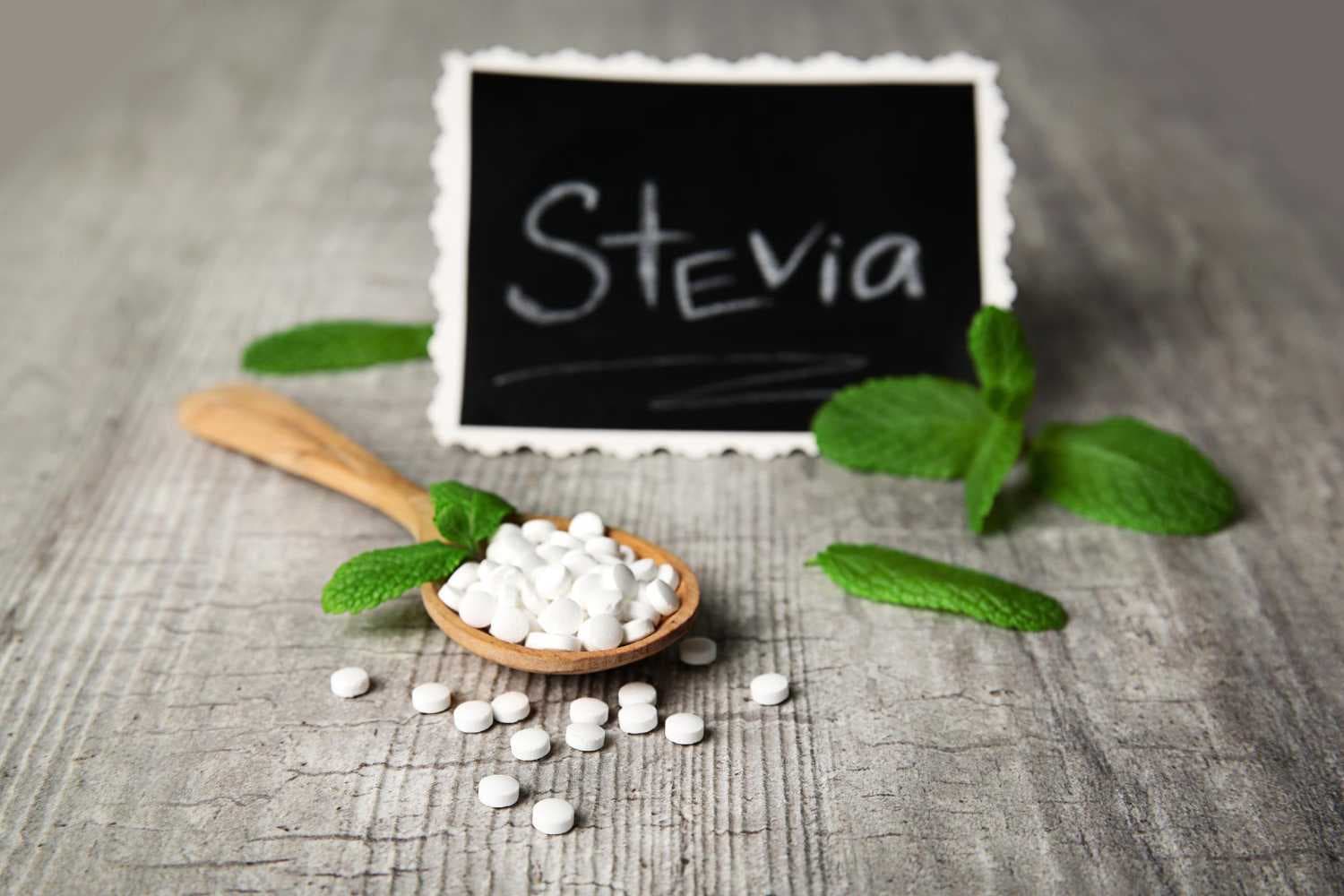
Revealing the Truth About Stevia: Is Stevia Bad for You?
In the territory of sweeteners, there's a name that's become quite popular lately – stevia. Advertised as a natural substitute for the usual sugar, stevia has become the preferred option for people wanting to enjoy sweetness without feeling guilty. However, within the thrill of this sweetener, a remaining question continues: Is stevia bad for your health? Let's take a closer look at the true nature of sweetness and reveal the truth about stevia and its effects. Let’s dig in:
MyFitnessCoach
April 17, 2024
Active Recovery: Boost Health & Performance
When we're trying to get fit and stay healthy, we sometimes forget how important it is to let our bodies rest and recover. We get caught up in tough workouts and pushing ourselves to the limit. But real progress happens when we give our bodies the time they need to rest and recharge. That's where active recovery comes in. It's a simple but powerful way to help our bodies heal while still keeping us moving. In this article, we'll take a closer look at what active recovery is, why it's good for us, and how we can make it part of our routine to feel our best and perform at our peak. Let’s start: