
Dumbbell Row: A Comprehensive Guide for a Stronger Back
MyFitnessCoach
January 14, 2025
The dumbbell row is a cornerstone exercise for building a strong, muscular back. Known for its versatility and effectiveness, this compound movement targets multiple muscles while improving posture and stability. Whether you’re a beginner or a seasoned lifter, the dumbbell row deserves a spot in your workout routine.
In this comprehensive guide, we’ll explore the benefits, step-by-step instructions, common mistakes, and variations to help you perfect the dumbbell row.

What Is a Dumbbell Row?
The dumbbell row is a strength-training exercise that involves pulling a dumbbell toward your torso while keeping your back straight. This movement primarily targets your back muscles but also engages your shoulders, arms, and core for stabilization.
Muscles Worked
- Latissimus Dorsi (Lats): The large muscles running along the sides of your back.
- Rhomboids: Located between your shoulder blades, these muscles help with scapular retraction.
- Trapezius (Traps): The upper back muscles that aid in shoulder movement.
- Biceps: Assist in pulling the dumbbell upward.
- Core: Stabilizes your body during the movement.
Benefits of Dumbbell Rows
Incorporating dumbbell rows into your workout routine offers several advantages:
- Improved Back Strength
- Dumbbell rows strengthen your lats, traps, and rhomboids, contributing to a more powerful upper body.
- Better Posture
- Strengthening your back muscles helps counteract the effects of poor posture caused by sitting for long periods.
- Enhanced Muscle Balance
- Unilateral movements like the dumbbell row correct muscle imbalances by working each side independently.
- Functional Strength
- The pulling motion mimics daily activities, such as lifting or carrying objects, improving overall functionality.
- Versatility
- Dumbbell rows can be modified to suit different fitness levels and goals by adjusting weight, tempo, or technique.
How to Perform a Dumbbell Row
Mastering the dumbbell row requires proper form and technique to maximize benefits and prevent injury.
Step-by-Step Instructions
1. Set Up Your Stance
- Hold a dumbbell in your right hand with a neutral grip.
- Place your left knee and left hand on a flat bench for support. Your right leg should be extended to the side with your foot firmly planted on the floor.
2. Position Your Back
- Keep your back flat and your torso nearly parallel to the ground. Avoid rounding or arching your spine.
3. Engage Your Core
- Tighten your abdominal muscles to stabilize your torso and prevent unnecessary movement.
4. Row the Dumbbell
- Pull the dumbbell toward your waist, leading with your elbow. Keep your elbow close to your body as you lift.
5. Lower the Dumbbell
- Slowly lower the dumbbell back to the starting position, fully extending your arm while maintaining control.
6. Repeat and Switch Sides
- Complete the desired number of repetitions on one side before switching to the other.
Common Mistakes to Avoid
Even simple mistakes can reduce the effectiveness of the dumbbell row or increase the risk of injury. Here are some to watch out for:
- Rounding the Back
- Keep your back straight to avoid strain and maintain proper alignment.
- Using Momentum
- Avoid jerking or swinging the dumbbell. The movement should be slow and controlled.
- Over-Rotating the Torso
- Keep your shoulders square and minimize torso rotation for proper muscle engagement.
- Incorrect Grip
- Use a neutral grip to reduce wrist strain and ensure optimal targeting of the back muscles.
- Lifting Too Heavy
- Start with a manageable weight to focus on form before progressing to heavier dumbbells.
Tips for Perfecting the Dumbbell Row
- Choose the Right Weight
- Select a weight that challenges you but allows for proper form throughout the set.
- Focus on Mind-Muscle Connection
- Concentrate on squeezing your shoulder blades together at the top of the movement.
- Incorporate Tempo Training
- Slow down the eccentric (lowering) phase to increase time under tension and boost muscle growth.
- Use a Mirror
- Check your form in a mirror to ensure your back is straight and your movements are controlled.
- Warm Up Beforehand
- Loosen up your shoulders and back with dynamic stretches or light cardio to reduce the risk of injury.
Dumbbell Row Variations
Adding variety to your dumbbell row routine can keep your workouts interesting and target different muscle groups.
- Single-Arm Dumbbell Row
- Perform the standard dumbbell row with one arm at a time for focused muscle engagement.
- Bent-Over Dumbbell Row
- Row with both arms simultaneously while standing in a bent-over position.
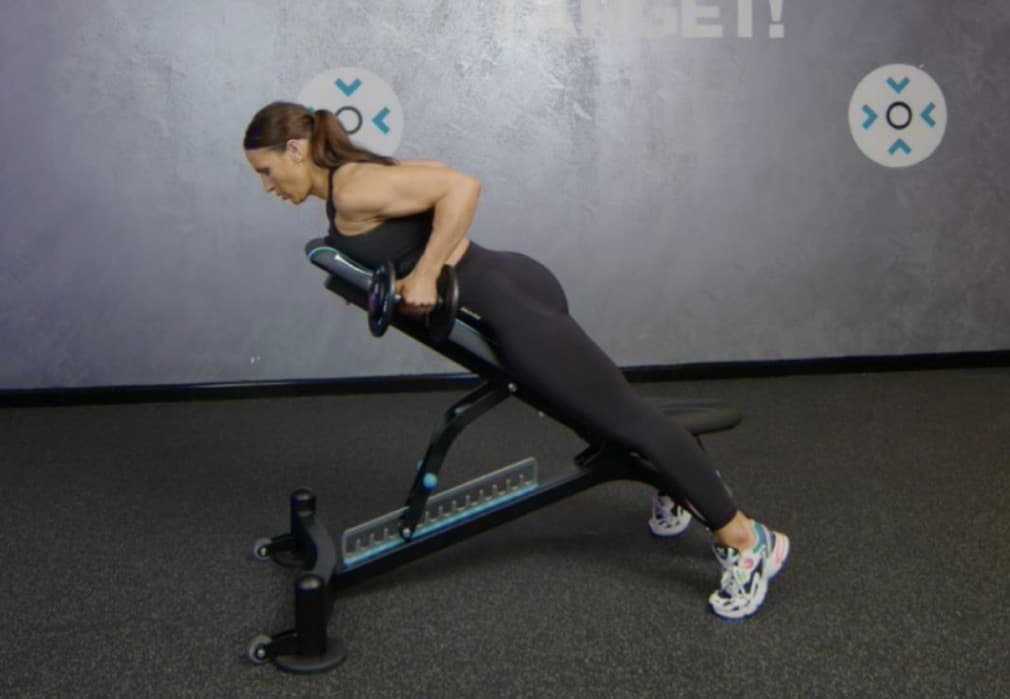
- Incline Bench Dumbbell Row
- Lie chest-down on an incline bench and row the dumbbells upward.
- Renegade Row
- Combine a plank position with alternating dumbbell rows to engage your core and upper body.
- Supported Dumbbell Row
- Use a bench or stability ball to support your chest and reduce strain on your lower back.
How MyFitnessCoach Can Help
Tracking your progress and perfecting your technique has never been easier, thanks to MyFitnessCoach.
- Workout Videos: Access step-by-step videos to master the dumbbell row and other strength exercises.
- Workout Plans: Customize your routines to include dumbbell rows and track your performance.
- Form Check: Receive tips on proper form to avoid injuries and maximize results.
Download MyFitnessCoach now to take your strength training to the next level!
Conclusion
The dumbbell row is a powerful exercise for building a strong, defined back while improving posture and functional strength. By mastering the proper technique and incorporating variations, you can make the most of this versatile movement. Remember, consistency and proper form are key to reaping the full benefits of dumbbell rows.

With the support of tools like MyFitnessCoach, you can track your progress and refine your technique to achieve your fitness goals faster. Start rowing your way to a stronger back today!
Similar Articles
Stay informed with these similar articles.

MyFitnessCoach
February 4, 2025
How to Do a Renegade Row Without Twisting Your Hips (2026 Guide)
You set up in a plank, pull the dumbbell, and your hips swing like a screen door. Sound familiar? That wobble is the number one reason people quit the renegade row and it's fixable in one session. The renegade row is a full-body exercise that combines a plank with a single-arm dumbbell row, training your back, core, and shoulders at the same time. As a coach who programs workouts for thousands of app users, I've watched this one movement expose weak cores faster than any plank ever could. In this guide, you'll get exact form cues, starting weights in pounds, set and rep targets, and the fixes for every common mistake.

MyFitnessCoach
January 14, 2025
What Are Kas Glute Bridges?
Kas glute bridges are a highly effective exercise designed to target and strengthen the glutes. Unlike regular glute bridges, this exercise focuses on controlled movement and maintaining tension on the glute muscles throughout the exercise. Named after fitness coach Bret Contreras, the Kas glute bridge is a must-have in any lower-body workout routine, especially for those seeking to enhance glute strength, size, and activation.
MyFitnessCoach
January 15, 2025
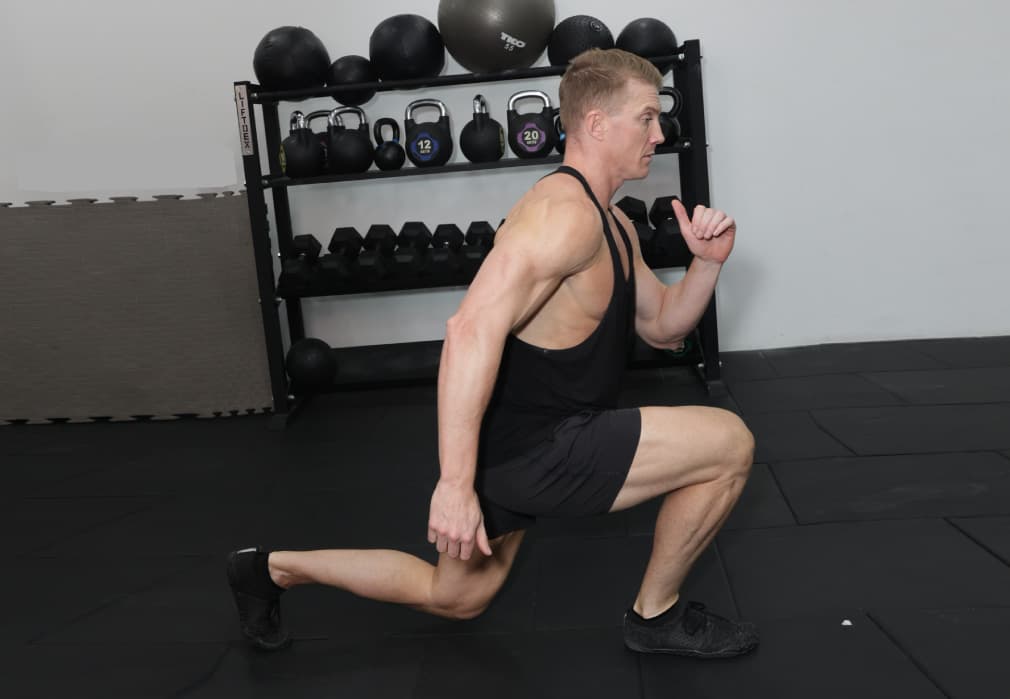
Static Lunges: A Complete Guide to Mastering This Essential Exercise
Lunges are a staple in many fitness routines, and for good reason—they're simple, effective, and adaptable to any fitness level. Among the various types of lunges, static lunges stand out as an excellent way to build lower-body strength, improve balance, and enhance overall fitness.