
The Mutual Relationship between Nutrition and Fitness
MyFitnessCoach
August 8, 2023
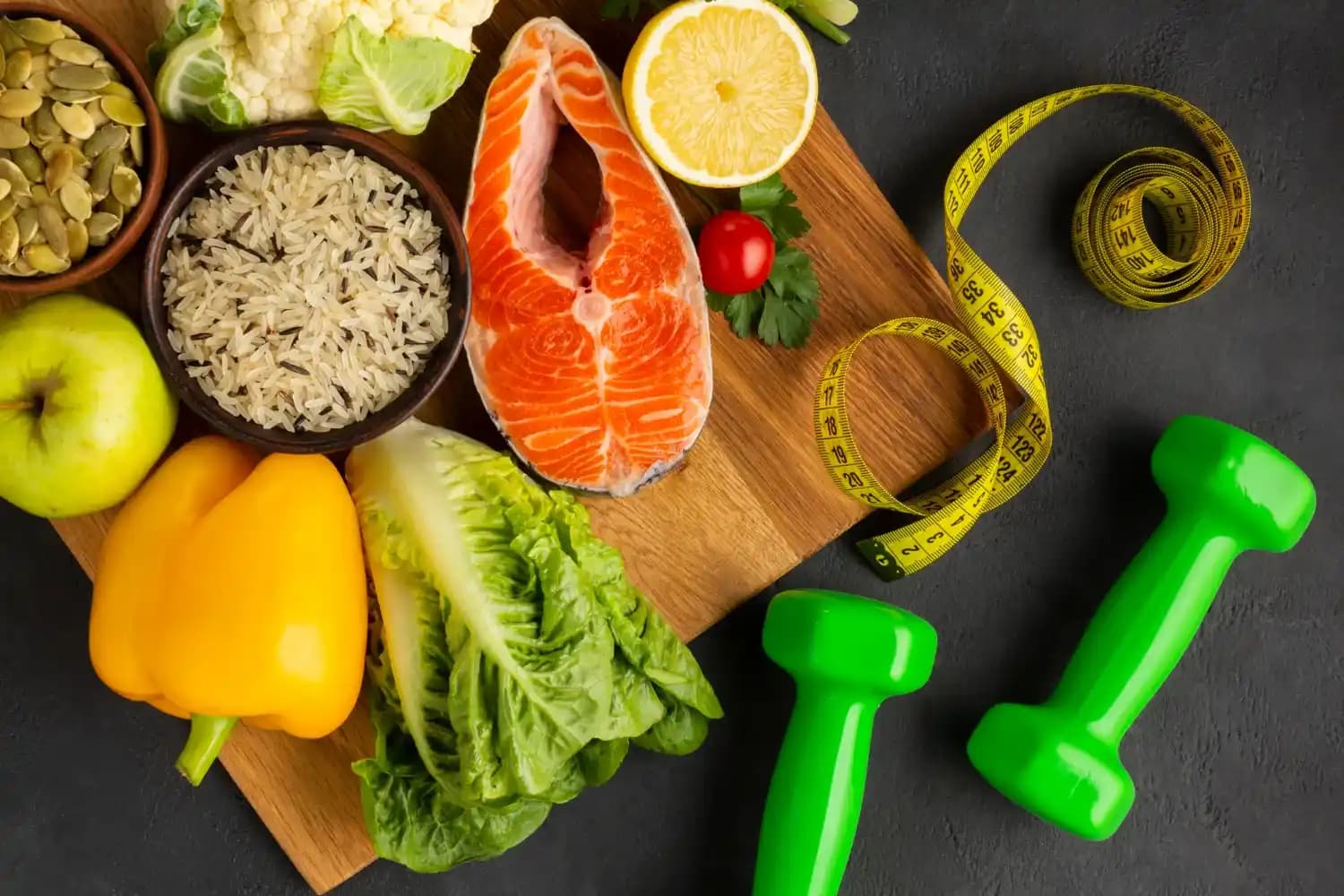
When we try to live a healthy and happy life, two things that hold extreme importance are nutrition and fitness. These two things are like building blocks that help us stay healthy and fit. This ensures us to be full of energy and live longer. Scientists are learning more about how our bodies work, and they've found that what we eat and how we exercise are really closely connected to each other.
This article talks about how nutrition and fitness work together, showing how they help us stay balanced and full of life. Let’s wait no further and start:
Table of Contents
Subscribe to our newslettter
What are the Basics of Nutrition?
Nutrition is like the foundation of a strong building for our health. The food we eat affects how much energy we have, how well our body fights off illnesses, how well our brain works, and how good we feel overall. Eating a variety of healthy foods gives our body the important building blocks it needs, like carbohydrates, proteins, and fats, as well as many vitamins and minerals.
- Carbohydrates are the body's primary source of energy, fueling physical activities and supporting brain function. Whole grains, fruits, and vegetables are the sources of complex carbohydrates that release energy gradually, preventing blood sugar spikes and crashes.
- Proteins are like the body's building blocks. They are very important for building and repairing muscles. They also help to strengthen the immune system and also in the production of enzymes and hormones. Eating healthy protein from foods like chicken, fish, beans, and tofu gives the body the special parts (amino acids) it needs to stay strong and healthy.
- Fats, especially saturated healthy fats, like the ones in avocados, nuts, seeds, and fatty fish, are important for building cells, making hormones, and using vitamins that need fat. It's important to have the right amount of fats because too much of certain fats can lead to long-term health problems.
- Micronutrients, including vitamins (A, C, D, E, and K) and minerals (calcium, iron, magnesium, etc.), are vital for various bodily functions. They help reactions happen, keep our immune system strong, and make sure our bones stay healthy.
What is Fitness?
Physical fitness is not only about looking good; it's about how well your body is performing. Doing regular exercises has many benefits for your body, like helping your heart and muscles, making you feel better mentally, and reducing stress. When you exercise, your body releases happy hormones called endorphins that make you feel good and less stressed.
A balanced fitness routine typically includes cardiovascular exercise, strength training, flexibility exercises, and functional movements. Cardiovascular exercises, like brisk walking, running, swimming, and cycling, enhance heart health, increase lung capacity, and promote fat loss.
Strength training, involving resistance exercises such as weightlifting or bodyweight exercises, improves muscle mass, bone density, and metabolism. It also supports better posture and reduces the risk of injuries.
Flexibility exercises like yoga and stretching routines enhance joint mobility and muscle elasticity, helping in injury prevention and promoting relaxation.
Functional movements reproduce real-life activities and improve overall body coordination, balance, and stability. This type of exercise is particularly beneficial for older adults, helping them maintain independence and quality of life.
The Mutual Relationship:
The mutual relationship between what you eat and how you physically perform is really strong. They both complement each other and work together to keep you healthy and fit. Eating the right foods gives your body the energy and materials it needs to do exercises in a good way. And when you exercise, it helps your body use and takes in the good stuff from your food, making everything work even better.
- Energy Balance: Nutrition provides the energy required for physical activity, while exercise helps maintain a healthy weight by spending excess calories. This balance is critical for weight management and avoiding obesity-related health issues.
- Muscle Health: Sufficient protein intake supports muscle growth and repair, important for individuals engaged in strength training and other forms of physical activity. On the other hand, exercise stimulates muscle protein synthesis, maximizing the benefits of protein consumption.
- Recovery and Repair: Proper nutrition helps in post-workout recovery by refilling glycogen stores and providing essential nutrients for tissue repair. Antioxidants from fruits and vegetables fight off stress caused by intense exercise.
- Metabolic Efficiency: Regular physical activity improves insulin sensitivity, promoting efficient glucose utilization and reducing the risk of type 2 diabetes. A balanced diet supports this effect by controlling blood sugar levels.
- Bone Health: Nutrients like calcium, vitamin D, and magnesium contribute to bone health, and weight-bearing exercises promote bone density. Together, they reduce the risk of osteoporosis and fractures.
- Hormonal Regulation: Exercise influences hormone production and sensitivity, while nutrition plays a role in providing the necessary building blocks for hormone synthesis. This interaction affects stress hormones, sex hormones, and overall endocrine function.
In the special connection between nutrition and fitness, they work together to make us strong and healthy. When we eat good foods that give us lots of nutrients, it helps us have the energy to move and be strong. And when we exercise, it helps our body use those good nutrients even better, which makes us feel delighted.
We can start by choosing foods that are good for us and doing exercise regularly. This helps us live longer, have lots of energy, and enjoy life with a happy and healthy body and mind. As scientists learn more about how our bodies work, one thing is clear: eating well and being active are the main building blocks to being healthy and thriving.
Learn More About Health & Fitness At: MyFitnessCoach.Fit
Frequently Asked Questions
Similar Articles
Stay informed with these similar articles.

MyFitnessCoach
July 13, 2023
What Are Carbohydrates | Types Functions | Benefits
Carbohydrates, often referred to as carbs, are one of the three main macronutrients essential for human health and well-being. The other two macronutrients are proteins and fats. Carbs play a vital role in the functionality of the human body. They are the primary source of energy. They empower the brain to support muscle function. Carbs are essential for sustaining life.
MyFitnessCoach
August 2, 2023
Protein Myths: Discover Common Misconceptions About Protein
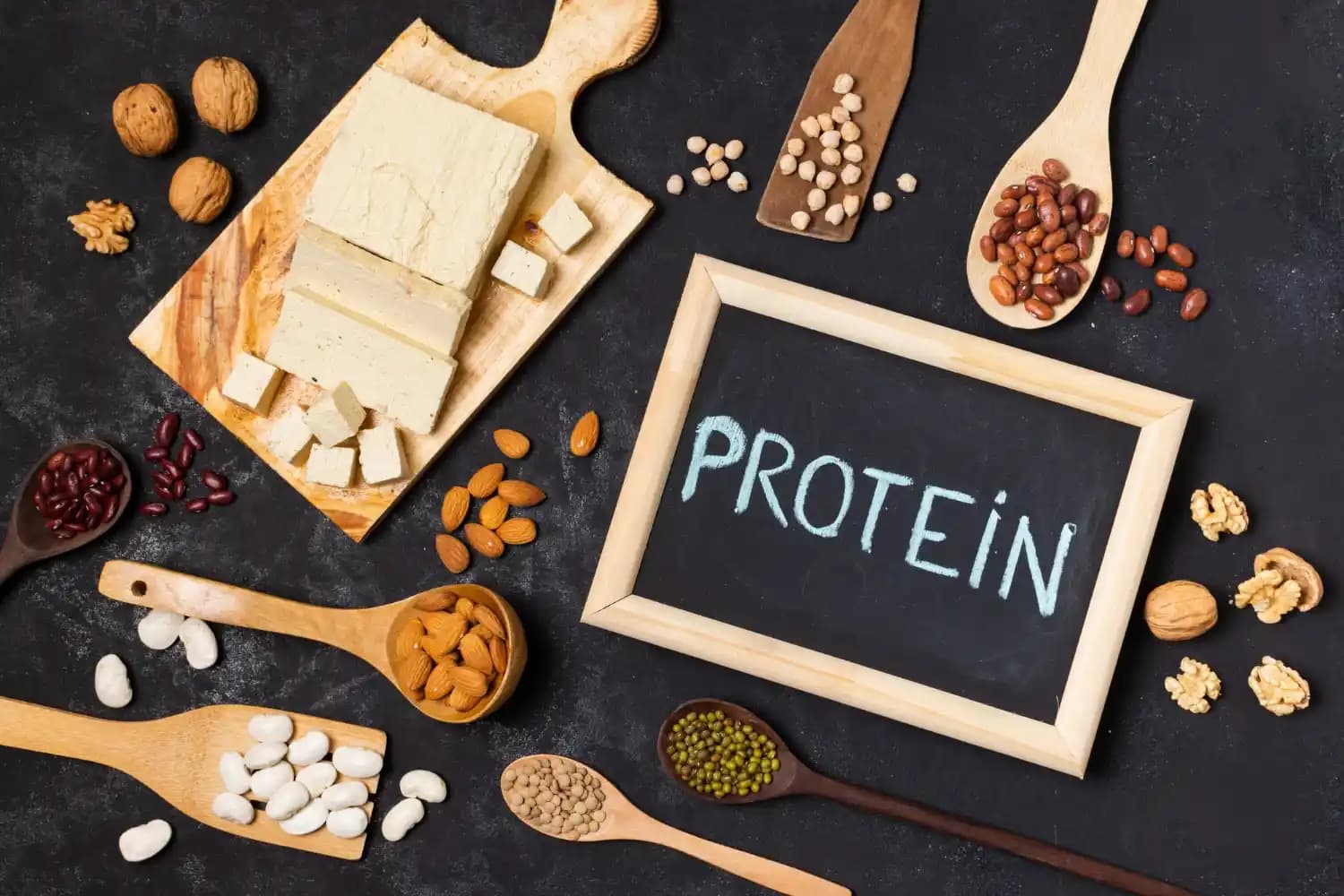
Protein is an important macronutrient that the body needs to do many different things. It is very important for building and fixing cells, keeping the immune system strong, and making enzymes and hormones. Even though protein is important, many myths and false beliefs have grown up around it. In this piece, we'll clear up some common misconceptions about protein and explain why it's so important.

MyFitnessCoach
May 28, 2023
Discover the Best Heart Health Exercises for 2023 and Beyond
The heart is a vital organ that pumps oxygenated blood to all body parts. Oxygen and essential nutrients are paramount for all organs to function correctly. Your overall well-being is guaranteed with the health of your heart. All other body organs rely solely on the heart to provide blood to function. A healthy heart is also responsible for a robust immune system by circulating white blood cells.