
What is the Impact of Age on Fitness Performance?
MyFitnessCoach
December 6, 2024
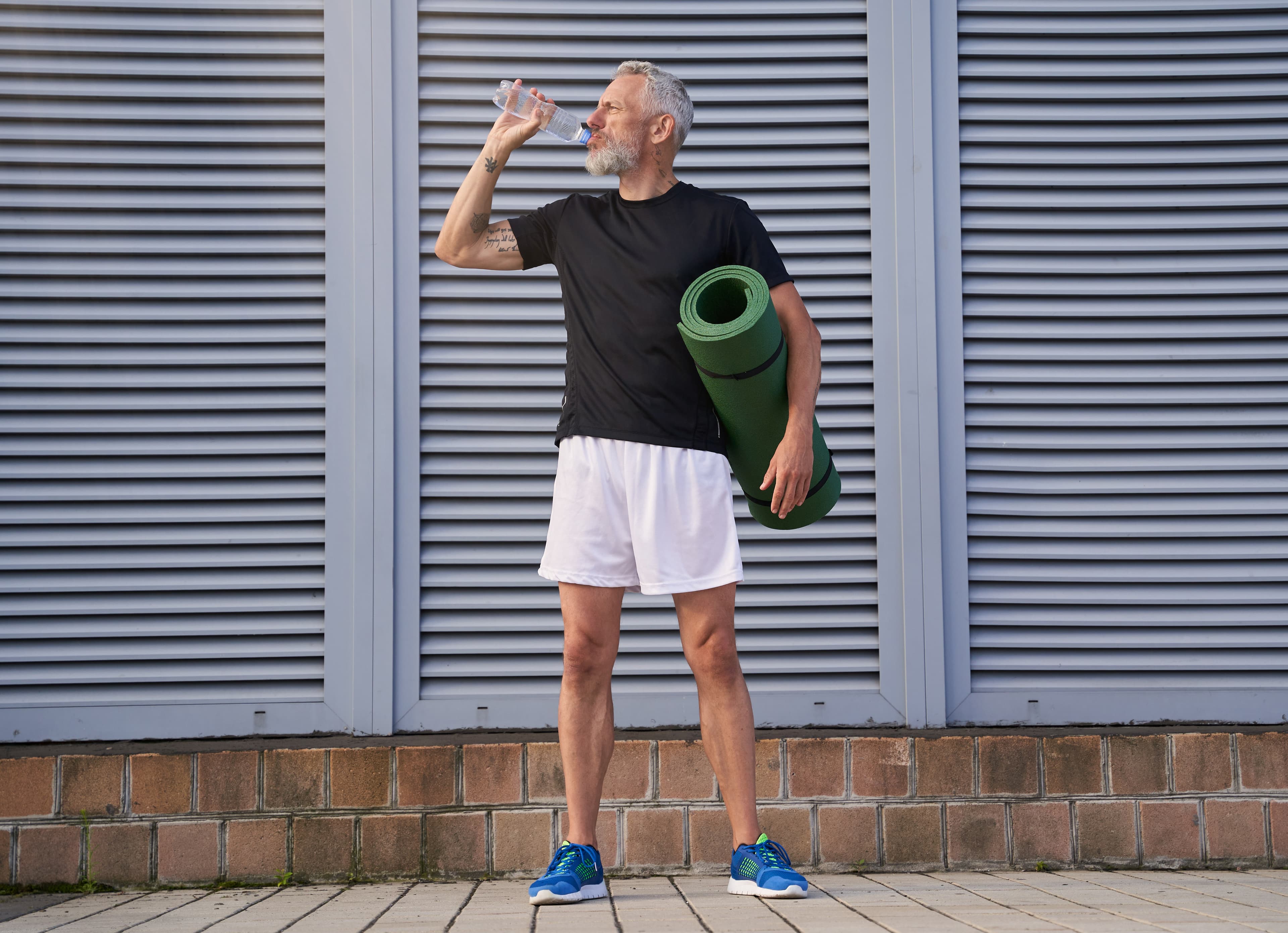
Age is a natural part of life, and with it come various changes in our bodies, especially regarding physical performance and fitness. Understanding how age impacts fitness performance helps us develop sustainable fitness habits, adapt workouts over time, and stay motivated through different life stages. In this article, we’ll explore how age affects fitness and share tips for maintaining a healthy, fit lifestyle—no matter your age.
Table of Contents
Subscribe to our newslettter
The Relationship Between Age and Fitness Performance
As we age, our bodies undergo physiological changes that affect strength, endurance, flexibility, and overall fitness. Here’s how these factors shift over time:
1. Muscle Mass and Strength Decline with Age
Starting around the age of 30, muscle mass begins to decrease. This process, known as sarcopenia, means that by the time someone reaches 60, they may have lost about 30% of their muscle mass. Muscle loss directly impacts strength and can make physical activities more challenging. However, resistance training, which builds and maintains muscle, is highly effective at slowing down sarcopenia. So, whether you’re in your 30s or 60s, lifting weights or engaging in bodyweight exercises can help combat age-related muscle decline.
2. Changes in Endurance and Cardiovascular Health
Age can also influence cardiovascular endurance, as heart and lung function decline gradually. The heart becomes less efficient at pumping blood, reducing the supply of oxygen to muscles during intense physical activity. Research indicates that maximum heart rate tends to decrease with age, affecting endurance and stamina. But regular cardiovascular exercises—like running, swimming, or cycling—help keep the heart strong and improve endurance, even as we age. Incorporating steady, moderate cardio exercises into weekly routines can maintain endurance and support cardiovascular health.
3. Flexibility and Joint Health Over Time
Joint health and flexibility naturally decline with age, as connective tissues like tendons and ligaments become stiffer and less elastic. Reduced flexibility may lead to a higher risk of injury, which can impact fitness performance and motivation. Practicing activities that encourage flexibility, like yoga or dynamic stretching, can help reduce stiffness, increase range of motion, and maintain joint health.
4. Metabolic Changes and Weight Management
Metabolism naturally slows down with age, making it more challenging to maintain or lose weight. This can impact overall fitness performance, especially if weight gain occurs. Since metabolism slows at around 1-2% per decade, staying active and maintaining a balanced diet becomes crucial. Consuming nutrient-dense foods and maintaining a consistent exercise routine can help counteract this metabolic slowdown.
The Effects of Age on Different Types of Fitness Activities
1. High-Intensity Interval Training (HIIT)
HIIT workouts are popular for improving cardiovascular fitness, burning calories, and building strength in a short amount of time. However, as we age, our body’s recovery time increases. While HIIT remains effective, older adults might need more recovery time or lower-impact exercises to prevent injury. Choosing low-impact HIIT modifications, like cycling or swimming, can provide the same benefits without straining the joints.
2. Strength Training
Strength training is essential at any age, but it becomes particularly valuable as we grow older. Lifting weights or using resistance bands helps maintain muscle mass, strengthens bones, and improves balance. Adapting strength exercises to accommodate age-related limitations can also support long-term consistency. For example, reducing weight but increasing repetitions may reduce the risk of injury while maintaining muscle endurance.
3. Cardiovascular Exercise
Cardio activities like running, walking, or swimming benefit overall health and improve cardiovascular fitness. Older adults may find it helpful to incorporate low-impact cardio, such as walking or cycling, to avoid stressing the joints. Cardio can be performed at various intensities to meet fitness goals, from light jogging to brisk walking, depending on personal health and energy levels.
4. Flexibility and Balance Exercises
Flexibility exercises and balance training become increasingly important with age to maintain coordination, reduce fall risk, and support daily movement. Activities like yoga and Tai Chi are excellent for flexibility and balance, offering a low-impact way to stay active. These exercises improve physical control and promote relaxation, making them particularly suitable for older adults.
Tips to Maintain Fitness Performance with Age
Staying fit is possible at any age. Here are some tips to help you keep up with your fitness journey, regardless of your age:
1. Set Realistic Goals and Stay Consistent
Setting achievable goals based on your age, health, and fitness level is key to maintaining motivation. Small, consistent efforts over time produce better results than quick fixes. Start with manageable goals, and adjust them as you progress.
2. Listen to Your Body and Avoid Overtraining
Recovery is essential, especially as we age. Avoid pushing too hard, as overtraining can lead to injuries that take longer to heal with age. Incorporate rest days and consider activities like foam rolling or gentle stretching to support recovery.
3. Stay Hydrated and Maintain a Balanced Diet
Nutrition plays a critical role in fitness performance. Staying hydrated, eating balanced meals, and getting enough protein for muscle recovery all contribute to better results. With age, it’s essential to focus on nutrient-dense foods that support overall health and energy.
4. Incorporate Strength and Flexibility Exercises Regularly
Aim to include both strength and flexibility exercises in your routine. This combination not only helps maintain muscle mass and endurance but also keeps the body agile and reduces the risk of injuries.
5. Make Time for Recovery and Sleep
Quality sleep is crucial for muscle recovery, cognitive function, and overall health. Aging often comes with changes in sleep patterns, so prioritizing good sleep hygiene, like a consistent bedtime and a dark, cool sleeping environment, can make a difference in performance.
The Benefits of Adapting Workouts as You Age
Maintaining fitness with age requires some adjustments, but the benefits are well worth it. Regular physical activity can improve your mood, boost energy levels, and promote independence. Exercise supports mental health, reducing stress and enhancing cognitive function, which becomes increasingly important over time. By adapting workouts to fit changing physical needs, we can continue to enjoy these benefits throughout our lives.
How the MyFitnessCoach App Can Support You at Every Age
For those looking for a tool to help manage their fitness journey through different stages of life, the MyFitnessCoach app offers personalized workout programs tailored to your needs and age group. Whether you’re in your 30s, 50s, or beyond, MyFitnessCoach provides accessible HIIT routines, strength training options, flexibility exercises, and progress tracking features to help you achieve your fitness goals. With a wide variety of workout options, it can adapt as your fitness needs evolve, helping you maintain performance, prevent injuries, and stay motivated.
With MyFitnessCoach, you can easily track your progress, receive reminders for workouts, and access expert tips on nutrition and exercise tailored for all ages. Start using MyFitnessCoach today to build a routine that grows with you, ensuring that age is just a number on your fitness journey!
Similar Articles
Stay informed with these similar articles.
MyFitnessCoach
October 18, 2023
What Does Body Goals Mean? A Path to a Healthy Lifestyle
In the world we live in now, lots of people talk about "body goals," which means having a body that's seen as perfect. On social media, in magazines, and on TV, we see lots of pictures of people with what seems like perfect bodies, which makes us feel like we have to look like them. But the real meaning of "body goals" is more than just looking good. It's about taking care of your whole self, not just how you look. In this article, we will discuss what does body goals actually mean and how you can achieve your body goals. Let’s get started:
.webp&w=3840&q=75)
MyFitnessCoach
September 5, 2023
How Much Protein in an Egg | The Nutritional Power
Eggs have long been a breakfast favorite for many, and for good reason. They're not only delicious but also packed with essential nutrients, making them a versatile and nutritious addition to your diet. One of the most common questions about eggs is, "How much protein is in an egg?" In this comprehensive guide, we'll delve into the world of eggs and explore their protein content, nutritional benefits, and how they can contribute to a balanced diet.
MyFitnessCoach
May 18, 2023
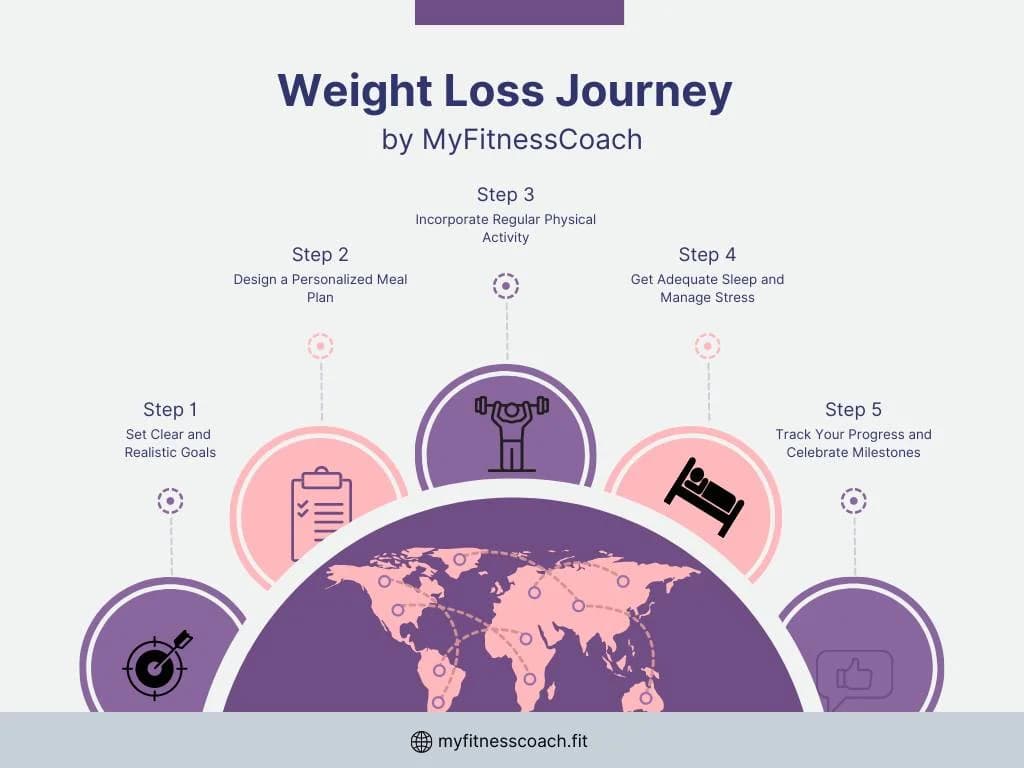
Fitness Guide: How Do I Start A Weight Loss Journey
Ready to start on a life-changing weight-loss journey? Congratulations for taking the first step towards being a better and happier version of yourself! Starting off a weight-loss journey may be both satisfying and stressful. With so much information available, having a well-defined plan and trusted assistance in achieving your goals is important. This article will help you start your weight-loss journey and achieve the results you desire.