
How to Gain Muscle: A Complete Guide for Beginners
MyFitnessCoach
November 26, 2024
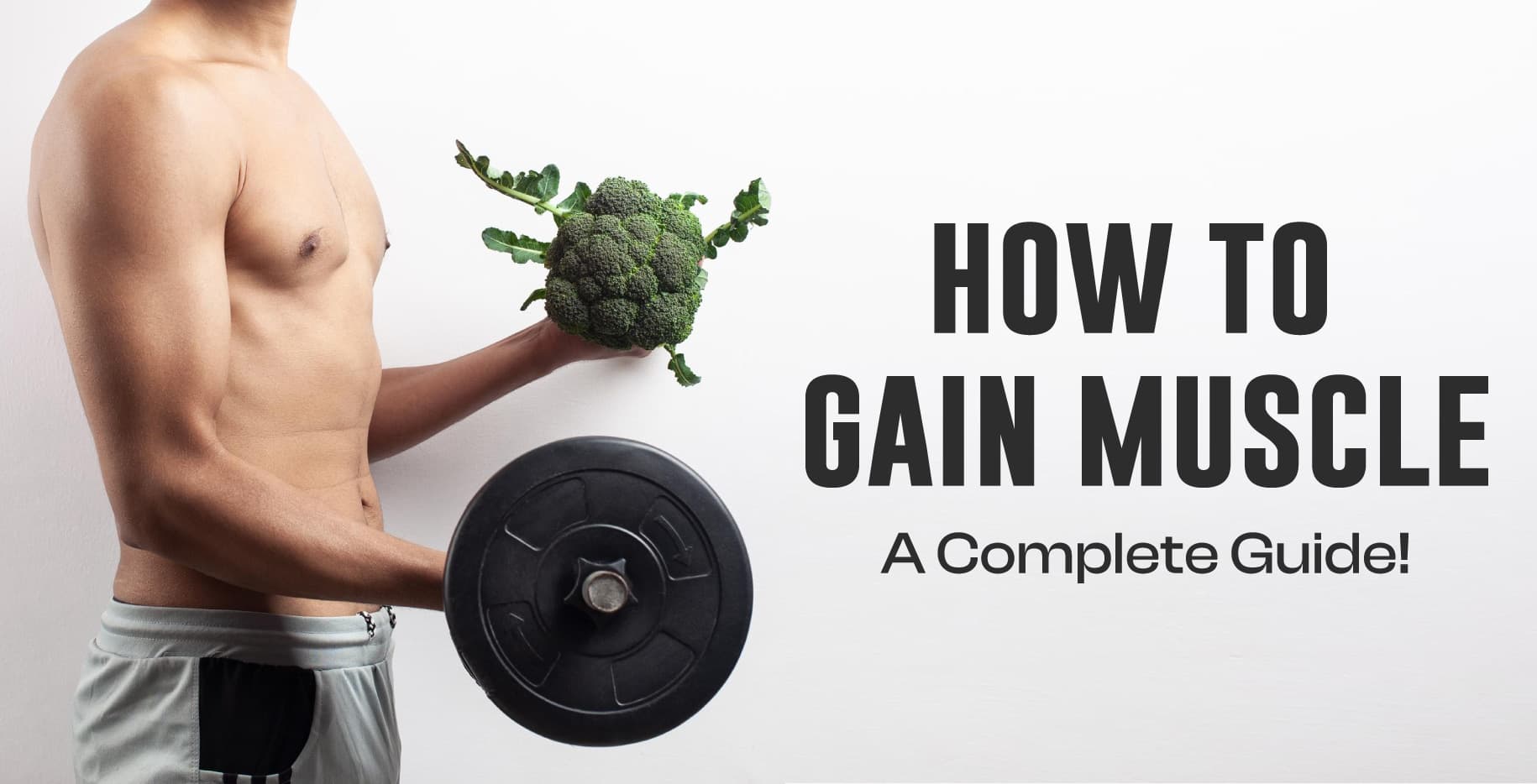
Gaining muscle can seem like a challenging task, but with the right approach, anyone can build muscle and enjoy a stronger, healthier body. Whether you’re a beginner or just looking for some practical tips, this guide will take you step-by-step through what you need to know. And don’t worry, building muscle doesn’t mean you need to lift heavy weights every day; it's about following a balanced plan that includes diet, exercise, and rest. So let’s dive in and find out exactly how to gain muscle!
Table of Contents
Subscribe to our newslettter
1. Understand the Basics of Muscle Growth
Muscle growth, also known as hypertrophy, happens when the fibres in your muscles are damaged through activities like lifting weights, then repaired and made stronger by your body. When you work out, you create small tears in your muscle fibres. During rest and with proper nutrition, these fibres are repaired and grow stronger.
2. Set Realistic Goals
Setting realistic goals will keep you motivated and help you measure your progress. Start small; aiming to gain 1-2 pounds of muscle each month is a good goal for beginners. Gaining too much too quickly can lead to injury, so it's essential to pace yourself.
Example Goals:
- “I want to increase my strength by 10% over the next three months.”
- “I will complete three workouts per week consistently.”
3. Choose the Right Exercises
Choosing exercises that work multiple muscles at once, known as compound exercises, is one of the best ways to gain muscle. These exercises help you lift more weight and train more muscles in less time.
Effective Muscle-Building Exercises:
- Squats: Great for your legs and lower body.
- Bench Press: Builds chest, shoulders, and triceps.
- Deadlift: Works your entire body, especially your back, legs, and core.
- Pull-Ups/Chin-Ups: Perfect for strengthening your upper back and arms.
- Push-Ups: A bodyweight exercise that targets the chest, shoulders, and triceps.
4. Follow a Progressive Overload Plan
Progressive overload means gradually increasing the weight, reps, or intensity of your exercises over time. This approach forces your muscles to adapt and grow as they handle greater stress.
How to Apply Progressive Overload:
- Increase the weight by a small amount each week.
- Add extra repetitions to each set.
- Reduce the rest time between sets.
Example: If you start with lifting 10 pounds, try lifting 12 pounds the next week. Small changes lead to big results over time.
5. Maintain a High-Protein Diet
Protein is crucial for muscle growth because it provides the building blocks (amino acids) your body needs to repair and build muscle fibers. Aim to include high-protein foods in every meal.
High-Protein Foods to Include:
- Chicken, turkey, and lean meats
- Fish, like salmon and tuna
- Eggs
- Dairy products, like Greek yogurt and cottage cheese
- Legumes, like beans and lentils
Protein Intake Guidelines: Try to consume about 1 gram of protein per pound of your body weight daily. For example, if you weigh 150 pounds, aim for 150 grams of protein each day.
6. Don’t Forget Carbs and Fats
While protein is vital, carbohydrates and fats are also essential. Carbs provide energy for workouts, while healthy fats support hormone function, which is critical for muscle growth.
Examples of Healthy Carbs and Fats:
- Carbs: Whole grains (brown rice, oats), fruits, vegetables
- Fats: Avocados, nuts, olive oil, fatty fish
7. Stay Consistent with Workouts
Consistency is key to building muscle. Try to stick to a workout schedule that you can manage every week, aiming for at least 3-4 strength training sessions per week. Rest days are just as important; they allow your muscles to recover and grow.
Sample Weekly Routine:
- Day 1: Upper Body (e.g., chest, shoulders, triceps)
- Day 2: Lower Body (e.g., legs and glutes)
- Day 3: Rest
- Day 4: Full Body (e.g., compound movements)
- Day 5: Rest
- Day 6: Cardio or light workout (optional)
- Day 7: Rest
8. Prioritize Rest and Recovery
Rest is an often-overlooked part of muscle growth. When you sleep, your body repairs muscle fibres and releases growth hormones. Aim for 7-9 hours of sleep per night to allow for proper muscle recovery.
Tips for Better Recovery:
- Stretch after workouts to reduce muscle tightness.
- Stay hydrated; water helps with muscle recovery.
- Avoid excessive cardio, which can interfere with muscle growth.
9. Track Your Progress
Keeping a workout journal or using a fitness app to track your workouts, diet, and body measurements can help you stay motivated and see your progress over time.
What to Track:
- Weights lifted and reps completed
- Body weight and measurements (e.g., chest, arms, legs)
- Weekly goals and how well you met them
10. Find Support to Stay Motivated
Building muscle takes time, so staying motivated is essential. Having a friend or workout buddy, joining a fitness community, or using a fitness app like MyFitnessCoach can give you extra motivation and support.
How MyFitnessCoach Can Help You Gain Muscle
The journey to building muscle requires planning, tracking, and consistency. That’s where MyFitnessCoach can make a big difference. With workout plans, progress tracking, and a community of like-minded fitness enthusiasts, MyFitnessCoach makes it easier to stay on track.
Here’s How MyFitnessCoach Supports Your Muscle-Building Goals:
- Customized Workout Plans: Get a tailored workout routine that focuses on your specific muscle-building goals.
- Progress Tracking: Track your workouts, meals, and progress right from the app.
- Expert Tips and Guides: Access a library of fitness tips and techniques to keep you informed.
- Community Support: Join a community of other users who share your goals, providing motivation and encouragement
MyFitnessCoach is designed to help you succeed, whether you’re just starting out or looking to fine-tune your routine. Download MyFitnessCoach today, and take the next step in your muscle-building journey!
Gaining muscle doesn’t have to be complicated. By following these steps—focusing on the right exercises, eating well, and prioritising rest—you’ll be well on your way to building a stronger, healthier body. Remember to track your progress, stay consistent, and don’t hesitate to use tools like *MyFitnessCoach* to keep you on track. Start today, and in a few months, you’ll be amazed at how much progress you’ve made!
Similar Articles
Stay informed with these similar articles.

MyFitnessCoach
November 14, 2023
The Science Behind Muscle Recovery: Ways to Bounce Back
The process of muscle recovery holds extreme importance in your fitness journey. Muscle recovery practice silently does its crucial work to help you perform at your best and stay injury-free. It doesn't matter if you're a pro athlete or just starting into the world of fitness – knowing the basics of muscle recovery is super important. So, in this guide, we will take a closer look at the fundamental ideas about muscle recovery. We want to ensure you understand this essential part of your fitness journey without confusion. Let's dive in and explore the ins and outs of muscle recovery in a way that's easy to understand and apply to your workouts.

MyFitnessCoach
November 27, 2024
How to Get in Shape Fast: Simple and Effective Tips for Quick Results
Everyone wants to know how to get in shape fast. Whether it's to prepare for an event, boost confidence, or start a healthier lifestyle, getting fit quickly is possible with the right plan and mindset. In this article, we’ll go over easy-to-follow tips that will help you get in shape fast. And for those looking for a digital boost, we’ll introduce the MyFitnessCoach app, a helpful companion in your fitness journey.
MyFitnessCoach
November 27, 2024
Which is More Effective for Fat Loss: Cardio or Strength Training?
When it comes to achieving fat loss, there’s an ongoing debate about whether cardio or strength training is more effective. Both types of exercise have unique benefits, but the choice often depends on individual goals, body type, and lifestyle. This article will explore the science behind cardio and strength training for fat loss and help guide you to the best approach to meet your fitness goals.