
How Can I Improve My Cardiovascular Fitness?
MyFitnessCoach
December 4, 2024
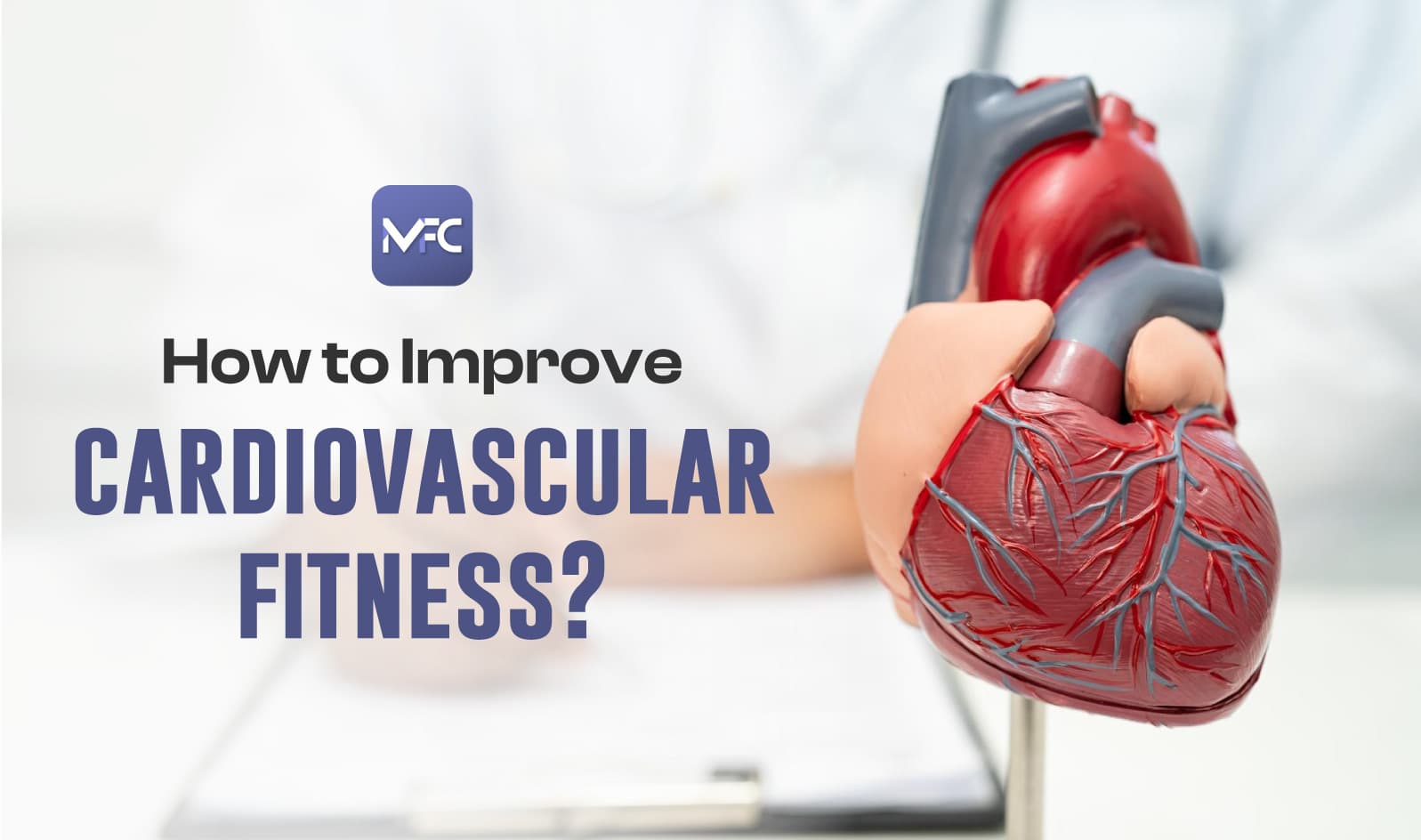
Cardiovascular fitness, often referred to as cardio, is the body’s ability to take in oxygen, transfer it through the heart and lungs, and use it in the muscles to produce energy. This form of fitness plays a significant role in overall health, contributing to increased endurance, reduced health risks, and even a greater sense of well-being. Whether you’re a beginner just stepping into the fitness world or someone who’s aiming to level up, improving cardiovascular fitness can be a fulfilling journey. This guide will walk you through various methods to effectively boost your cardiovascular fitness in a sustainable way.
Table of Contents
Subscribe to our newslettter
Understand Your Cardiovascular Fitness Level
The first step in improving cardiovascular fitness is understanding where you currently stand. You don’t need any fancy equipment to assess this; a simple check of your heart rate during exercise, alongside how you feel during physical activity, can help. Try low impact cardio activities like walking or jogging and take note of how quickly you breathe and your heart rate. If you feel out of breath within a few minutes, it indicates you’re at a beginner level. Recognizing your baseline is crucial as it helps you choose suitable exercises and sets realistic expectations.
Start with Moderate Aerobic Exercise
A key component of cardiovascular fitness is aerobic exercise. Aerobic exercises like brisk walking, cycling, or swimming help your body use oxygen more effectively. Begin by incorporating 20-30 minutes of moderate aerobic exercise into your routine three to four times a week. This not only strengthens your heart but also enhances lung capacity. Over time, your stamina will improve, allowing you to handle longer workouts.
Walking is an excellent way to start, especially if you’re new to fitness. Aim for brisk walks where your heart rate is elevated, but you can still hold a conversation. Swimming, on the other hand, provides a low-impact option that’s gentle on the joints while effectively raising your heart rate. Each of these activities is beginner-friendly and can serve as a solid foundation for more intense cardiovascular workouts in the future.
Gradually Increase Intensity with HIIT Workouts
Once your body is comfortable with moderate-intensity exercise, gradually increase the intensity by incorporating high-intensity interval training, or HIIT. HIIT involves short bursts of intense exercise followed by rest or low-intensity exercise, effectively boosting cardiovascular fitness. HIIT sessions can be customized based on your fitness level and preferences. For beginners, try a simple HIIT routine of 20 seconds of exercise followed by 40 seconds of rest.
HIIT workouts can involve exercises like jumping jacks, mountain climbers, or sprint intervals. These exercises are designed to push your heart rate to higher levels, enhancing cardiovascular capacity over time. Start with one to two sessions per week and gradually build up as your stamina improves. HIIT is efficient because it can significantly improve cardiovascular health in less time than traditional cardio workouts, making it ideal for people with busy schedules.
Strength Training as Cardio Support
While strength training isn’t traditionally associated with cardio, it’s an essential complement. Stronger muscles require less effort to perform tasks, indirectly improving your cardiovascular performance. For instance, stronger leg muscles will make running and other cardio exercises feel easier, allowing you to sustain them for longer periods. Strength training also improves bone density, coordination, and overall physical resilience, making it easier to handle high-intensity workouts.
Incorporate exercises like squats, lunges, and resistance band workouts twice a week. Focus on compound movements that engage multiple muscle groups. While these exercises may not directly boost cardiovascular fitness, they build the physical foundation needed to succeed in cardio-focused routines.
Mix in Fun and Engaging Activities
Improving cardiovascular fitness doesn’t have to mean sticking to the same routine every day. Engaging in various activities helps prevent boredom and keeps you motivated. Dancing, hiking, or team sports like basketball or soccer are fun ways to get your heart rate up. These activities provide variety while delivering cardiovascular benefits, helping you stay consistent with your fitness routine.
Try something new each week or join a class to stay motivated and build a well-rounded cardio routine. Outdoor activities, like hiking or biking, offer additional mental health benefits as well. The fresh air and change of scenery can relieve stress and provide a mental boost, which can be just as important as the physical workout itself.
Monitor Your Progress
Keeping track of your progress is vital to improving cardiovascular fitness. Tracking can be as simple as logging your workouts in a notebook or using a fitness app that tracks your activity levels and heart rate. Monitoring helps you see improvements over time, which can be incredibly motivating. As you build your endurance, you’ll notice that activities that once seemed challenging become easier.
Using a heart rate monitor during workouts can provide insight into your intensity levels and overall cardiovascular health. Aim to stay within your target heart rate zone for optimal cardiovascular benefits. Over time, as your fitness improves, you may notice your resting heart rate decreases – a clear indicator of enhanced cardiovascular health.
Maintain Consistency and Avoid Overtraining
Improving cardiovascular fitness is a gradual process. Consistency is more important than intensity at the beginning. Gradually work up to more intense exercises, and give yourself time to recover between sessions. Overtraining can lead to fatigue and increase the risk of injuries, which can set back your progress. Balance high-intensity days with moderate or low-intensity ones, and listen to your body. Recovery is just as essential as the workout itself.
Make rest and recovery a priority by including activities like stretching or yoga in your routine. These practices improve flexibility and relieve tension, reducing the risk of injury and keeping you energized for your next workout. Remember, building cardiovascular fitness is a long-term commitment, so a sustainable, balanced approach will help you see lasting results.
Fuel Your Body with Proper Nutrition
Cardiovascular fitness requires energy, and that comes from proper nutrition. A balanced diet rich in whole foods like fruits, vegetables, lean proteins, and whole grains fuels your body and provides the nutrients needed for recovery and stamina. Hydration is equally important, especially if you’re engaging in high-intensity exercises. Drinking water throughout the day and staying hydrated during workouts helps maintain endurance and focus.
Adding complex carbohydrates, like oats or sweet potatoes, can provide sustained energy for workouts. Protein helps with muscle repair and recovery, while healthy fats support energy metabolism. Avoid excessive amounts of sugar and processed foods, as these can lead to energy crashes, making it harder to stay active.
Set Realistic Goals and Celebrate Small Wins
Improving cardiovascular fitness is a journey, and setting realistic goals is essential. Instead of aiming for drastic changes, focus on achievable targets. For example, aim to complete a 30-minute workout without needing rest, or set a goal to attend three cardio sessions a week. Each small success builds confidence, making it easier to stay committed to your fitness journey.
Celebrating your achievements, no matter how small, keeps motivation high. Progress doesn’t always mean faster running times or more intense workouts; it can also mean improved mood, better sleep, or a greater ability to handle stress. Recognize these victories as part of your journey toward a healthier heart and body.
How MyFitnessCoach Can Support Your Cardiovascular Fitness Goals
If you’re ready to start improving your cardiovascular fitness, the MyFitnessCoach app is here to support you every step of the way. MyFitnessCoach offers a variety of cardio and HIIT workouts tailored to your fitness level, helping you progress safely and effectively. With guided workouts, goal tracking, and personalized training plans, MyFitnessCoach makes it easier to stay on track and achieve sustainable improvements in your cardiovascular health.
With workouts designed to fit into any schedule, MyFitnessCoach is perfect for both beginners and experienced fitness enthusiasts. Whether you’re looking to kickstart your cardio journey or elevate your current fitness level, the app provides the flexibility and support you need to make lasting changes. So, download the app now and start your cardiovascular fitness journey.
Similar Articles
Stay informed with these similar articles.

MyFitnessCoach
June 20, 2023
Your Fitness Path: A Journey To Healthier Lifestyle
In today's fast-paced world, maintaining a healthy lifestyle has become increasingly important. Regular exercise and a balanced diet are key components of a fit and energetic life.However, embarking on a fitness journey can be challenging, especially if you're unsure of where to begin.This article will help you on your fitness journey, giving you useful advice and tips to achieve your health goals. If you’re looking for an app that could help you in your path to fitness check out MyFitnessCoach.

MyFitnessCoach
June 15, 2023
Get Your Heart Pumping with Low Impact Cardio Exercises
Cardio, which stands for cardiovascular exercise, is one of the most important parts of any workout program. It is an important part of living a good life. But people with certain health problems, like joint problems or accidents, might not be able to do cardio exercises. They are told not to do the exercise with a lot of force. Low-impact cardio exercises were made for people with these conditions because they know how important cardio is. Low-impact cardio workouts are a great option. They have many benefits and put less stress on the joints, making them less likely to get hurt.

MyFitnessCoach
July 13, 2023
What Are Carbohydrates | Types Functions | Benefits
Carbohydrates, often referred to as carbs, are one of the three main macronutrients essential for human health and well-being. The other two macronutrients are proteins and fats. Carbs play a vital role in the functionality of the human body. They are the primary source of energy. They empower the brain to support muscle function. Carbs are essential for sustaining life.